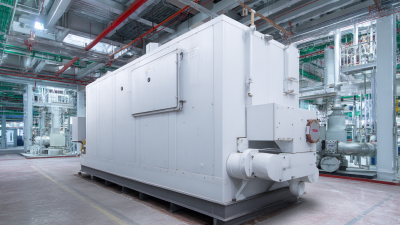
The industrial world is always on the lookout for better ways to boost efficiency and go greener. And at the center of all this? Industrial Process Heaters. These guys are pretty much the workhorses that give the needed heat for all kinds of manufacturing stuff. With tech advancing so fast, we're seeing some exciting innovations—companies are now creating smarter, more energy-efficient heaters that really make a difference.
Lately, there's a big push towards automation, too. Think advanced controls and IoT integration—these really help with performance and keeping an eye on everything in real-time. It’s a game changer because it means better energy use and, over time, lower costs. Big names like Honeywell and Siemens are leading the pack here, pushing solutions that leverage data analytics to optimize performance.
But, let’s not forget—things aren’t always smooth sailing. Not every industry can jump on these new technologies right away. Some companies are held back by budget issues or just don’t have the right skilled folks on board. It’s important we keep these challenges in mind if we want to successfully adopt these innovations. Looking ahead to 2026, understanding these trends and hurdles will be key. After all, industrial process heaters aren’t just about keeping machines warm—they’re really becoming a big part of shaping what’s next in industrial efficiency.
As we approach 2026, industrial process heater technology is evolving rapidly. One notable trend is the shift towards more energy-efficient systems. Many companies are investing in heaters that reduce energy consumption while maintaining high performance. This helps lower operational costs and minimizes environmental impact. Innovations are focusing on advanced materials that enhance thermal efficiency and durability.
Another significant trend is the integration of smart technology. Process heaters are now equipped with sensors and IoT capabilities. These features allow for real-time monitoring and diagnostics. By utilizing data analytics, businesses can optimize their processes. However, the initial cost and complexity of these systems can be daunting for some manufacturers.
Safety remains a paramount concern. Robust safety features are being developed to mitigate risks. These include automatic shut-off systems and improved thermal insulation. While advancements offer greater protection, they also require regular maintenance. Neglecting this need can compromise safety. The push for regulations will shape how these technologies are adopted in the coming years.
Energy efficiency in process heating systems is more crucial than ever. According to a recent report from the U.S. Department of Energy, over 75% of industrial energy consumption is related to process heating. This highlights the urgent need for advancements in energy-saving technologies.
Innovations such as advanced insulation and heat recovery systems are gaining traction. They can significantly reduce energy waste. For instance, implementing advanced insulation materials can decrease thermal losses by up to 50%. However, many organizations still struggle with the initial costs of implementing such technologies. The challenge lies in balancing immediate costs with long-term savings.
Another area of innovation is the use of smart control systems. These systems can optimize heating processes in real time, adjusting parameters based on current demand. Reports indicate that smart controls can lead to up to a 30% reduction in energy usage. Nevertheless, adoption is slow. Many industries remain hesitant to embrace these advancements due to concerns about reliability and integration with existing systems. The industry must address these concerns to promote wider adoption and realize the full potential of energy-efficient technologies.
The shift towards renewable energy is reshaping industrial process heating. Companies are increasingly looking for sustainable alternatives. Traditional heating methods often rely heavily on fossil fuels, which are not environmentally friendly. Renewable sources like solar and wind power provide cleaner options.
In practice, integrating renewable energy into process heating poses challenges. Not all locations have consistent renewable resources. Companies must adapt to fluctuations in energy supply. Additionally, the initial cost of switching to renewable systems can be high. However, the long-term benefits, like reduced emissions and lower energy costs, are significant.
Innovations in energy storage are vital. They help manage the inconsistency of renewable energy. Effective storage solutions can bridge gaps during low production times. As technology advances, the potential for widespread adoption grows. Industries must remain open to new ideas and approaches. Embracing change is not always easy, but it is essential for a sustainable future.
Innovative materials are transforming modern industrial process heaters. These advancements focus on increased efficiency, durability, and energy savings. Manufacturers are now selecting materials that enhance heat transfer rates. Metal alloys and ceramics are leading the way in this trend.
Ceramics offer excellent thermal resistance and can withstand extreme conditions. Their lightweight nature reduces stress on systems. Metal alloys, meanwhile, have improved corrosion resistance. Some of these materials can even adapt to rapid temperature changes. This flexibility is key for many industrial applications.
Tips: Regularly evaluate the materials used in your heaters. Look for signs of wear or degradation. Choosing the right material can prevent costly downtime.
Consider how advancements might affect your operations. Stay informed about new materials entering the market. Testing innovative solutions can lead to long-term savings. Adaptation may take time, but it is often worthwhile.
| Trend/Innovation | Description | Key Materials Used | Potential Applications |
|---|---|---|---|
| Smart Heating Systems | Integration of IoT for real-time monitoring and control. | Advanced sensors, PCB materials | Manufacturing, Food Processing |
| Sustainable Heating Solutions | Use of renewable energy sources for heating. | Biomass, Solar Collectors | Chemical industry, Power generation |
| High-Efficiency Heat Exchangers | Improved design for enhanced thermal transfer. | Copper alloys, Titanium | Oil & Gas, HVAC systems |
| Modular Heating Systems | Flexibility in scaling energy output based on demand. | Aluminum, Composite materials | Pharmaceuticals, Aerospace |
| Advanced Insulation Technologies | Enhanced insulation to reduce heat loss. | Aerogel, Vacuum insulation panels | Industrial furnaces, Power plants |
The integration of automation and IoT in industrial heating systems is transforming how industries operate. Smart heating controls enable efficient energy usage, minimizing waste while optimizing performance. These advanced systems collect real-time data to make predictive adjustments. This leads to consistent temperatures, enhancing product quality.
However, the journey to fully automated heating isn't without challenges. Many facilities struggle with outdated systems lacking connectivity. Integrating new technologies can involve significant costs and training hurdles. Employees may need time to adapt to the changes in workflow. Yet, overcoming these obstacles can yield substantial long-term savings.
As the industry moves forward, the focus on smart solutions will grow. Companies that embrace these innovations can gain a competitive edge. Yet, success depends on careful planning and evaluation of current processes. The transition to smart heating controls requires thoughtful implementation and ongoing support. Realizing the full potential of these technologies may take time and patience.
The impact of environmental regulations on industrial heating systems is profound. As industries strive for sustainability, they face increasing scrutiny from regulatory bodies. New standards aim to reduce greenhouse gas emissions and improve energy efficiency. These regulations often require updates to existing heating systems, making compliance essential for many businesses.
Innovative technologies are emerging in response to regulatory demands. Heat pumps and advanced burner technologies are gaining traction, offering lower emissions and higher efficiency. However, the transition to these technologies is not straightforward. Many facilities experience operational challenges during upgrades. Staff training and infrastructure modifications can pose significant hurdles.
The industry must also grapple with the financial implications of compliance. Investing in new technologies may strain budgets, particularly for small to medium enterprises. Balancing regulatory requirements with operational costs is a delicate tightrope. Companies often need to rethink their heating strategies to align with evolving standards while maintaining profitability.
The process heating industry is facing new challenges and opportunities as it moves towards 2026. One major challenge is energy efficiency. Manufacturers must develop solutions to reduce energy consumption while maintaining high temperatures. Innovative designs can help meet these demands. Companies will need to rethink thermal management strategies and utilize advanced materials for better performance.
Sustainability is another pressing concern. The push for greener technologies is reshaping the market landscape. Emerging trends include the integration of renewable energy sources and waste heat recovery systems. These solutions promise to minimize environmental impact. However, the transition will require careful planning and investment in research and development.
Moreover, the ongoing evolution of industry regulations adds complexity. Compliance with stricter environmental standards can be daunting. Companies may need to invest in advanced control systems and automation to stay competitive. Balancing innovation, sustainability, and regulatory compliance will be crucial in the coming years. Embracing these challenges can ultimately lead to a more sustainable future in industrial process heating.
ATEX certified process heaters play a crucial role in ensuring safe industrial operations, particularly in environments where flammable gases and vapors are present. These heaters, commonly known as fired heaters, are designed to carefully maintain heat within various liquid mediums, such as water, oil, and diverse chemicals. According to a report by the Global Process Heating Equipment Market, the increasing demand for process heating in industries like oil and gas and chemical processing is projected to grow significantly, highlighting the need for reliable and explosion-proof equipment.
The importance of ATEX certification cannot be overstated. These certifications ensure that process heaters are specifically designed to operate safely in potentially explosive atmospheres, thereby minimizing the risk of catastrophic incidents. Statistics indicate that improper heating equipment is responsible for a significant percentage of industrial accidents; thus, utilizing ATEX certified heaters is essential for enhancing workplace safety. The implementation of these heaters not only complies with stringent safety standards but also promotes operational efficiency by providing consistent heating performance.
Moreover, ATEX certified process heaters can contribute to the overall profitability of industrial operations. By minimizing downtime due to accidents or equipment failures, companies can achieve a more stable output, reducing costs associated with production halts. Research from the Occupational Safety and Health Administration suggests that investments in safety equipment lead to higher employee morale and productivity, reinforcing the notion that implementing ATEX certified solutions is a sound strategic decision for businesses aiming to thrive in a competitive landscape.
: There's a shift towards renewable energy sources for sustainable alternatives.
Inconsistent energy supply and high initial costs are major challenges.
It helps manage fluctuations in renewable energy availability.
Automation optimizes performance and reduces energy waste significantly.
Outdated systems and the cost of new technology can hinder progress.
Workers need to adapt to changes in workflow and usage of new systems.
They provide real-time data for better temperature consistency and product quality.
Careful planning and evaluation of existing processes are crucial for success.
No, it requires time, patience, and ongoing support for full effectiveness.
Companies may miss out on significant long-term savings and sustainability benefits.
The article "2026 Top Industrial Process Heaters Trends and Innovations" explores the evolving landscape of industrial process heaters, highlighting key technological advancements anticipated for 2026. It emphasizes the increasing importance of energy efficiency in process heating systems, driven by both environmental regulations and market demands. Renewable energy sources are gaining traction, offering sustainable alternatives for heating solutions.
Innovative materials used in the construction of modern process heaters are also discussed, showcasing how they enhance performance and reduce energy consumption. Furthermore, the integration of smart heating controls, automation, and IoT technology is transforming the industry, facilitating more efficient operations and improved monitoring capabilities. As the sector faces future challenges, the article identifies opportunities for growth and innovation that will shape the future of industrial process heaters.