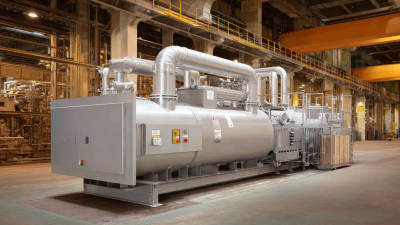
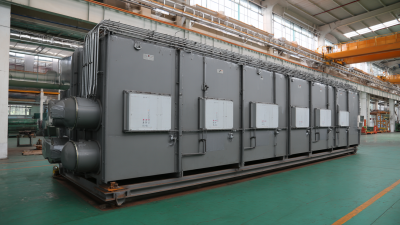
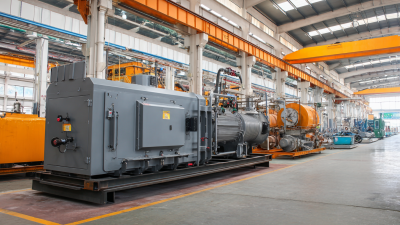
Picking the right explosion-proof industrial heater isn't just about safety — it's also about making sure everything runs smoothly. These heaters are specially designed to work safely in places where flammable gases or dust are around. Think industries like oil and gas, chemical plants, or pharmaceuticals — you definitely don't want anything going wrong there.
figuring out what you really need is super important. You’ve got to consider things like how much heat you need, the size of the unit, and where you'll install it. Not all explosion-proof heaters are the same, either. Brands like Thermon and Heatstar have a few options, but keep in mind, not every model will be perfect for your specific setup.
Choosing the right heater is a bit of a balancing act. Take some time to think about how easy it is to maintain and how much energy it uses. A solid heater can save you from costly downtime later on. Sure, investing in top quality is a smart move, but you also need to keep an eye on the budget. Basically, taking your time to weigh your options will help you make better choices in the long run.
Explosion proof industrial heaters are essential in environments where flammable gases, vapors, or dust are present. Understanding the key features of these heaters helps ensure safety and efficiency. According to a report by the National Fire Protection Association, approximately 20% of industrial accidents result from equipment failure in hazardous locations. This underscores the importance of selecting the right heater.
When choosing an explosion proof heater, consider the temperature class and the heating method. Different materials affect the performance. For instance, electric heaters may be more suitable in some situations. However, gas-powered units can provide higher output in colder conditions. The heating capacity should align with your facility’s size. A mismatch can lead to operational inefficiencies.
Tips: Always assess the environmental conditions before choosing a heater. Ensure there is adequate ventilation and avoid locations with excessive dust accumulation. Regular inspection and maintenance can prevent potential failures. Additionally, ensure that heaters are certified for the specific hazard category of your operation. Safety is paramount, and no detail should be overlooked.
When selecting an explosion-proof industrial heater, understanding
key industry standards is crucial. Recognized certifications like ATEX and NEC ensure the heater
can operate safely in hazardous environments. These standards dictate the operational parameters
and materials used in the heater's construction.
According to a report by the National Fire Protection Association (NFPA),
explosion-proof devices significantly reduce the risk of industrial accidents. The NFPA indicates that over
18,000 injuries occur annually due to combustible dust. So, compliance
with these standards isn’t just about legality; it’s about worker safety.
However, many manufacturers still overlook specific testing requirements.
Some explosion-proof heaters may not meet the rigorous demands of real-world applications. A study
from the American Society of Heating, Refrigerating, and Air-Conditioning Engineers (ASHRAE)
highlights that improper equipment can lead to performance issues. Ensuring you have verified
certifications avoids headaches later. It's essential to choose heaters built for both
safety and functionality. Look for products
where manufacturers can provide evidence of compliance.
Choosing an explosion-proof industrial heater requires careful consideration. Start by evaluating the environment where the heater will be used. Identify any flammable materials or potential hazards in the area. This assessment helps in selecting a heater with the right safety rating.
When assessing heaters, look at their temperature range. Different applications may require different heating capacities. Ensure the heater can effectively maintain the desired temperature. It is essential to check the power source as well. Consider whether you need a gas, electric, or portable unit.
Tips for selection:
- Review the heater's safety certifications.
- Opt for corrosion-resistant materials.
- Ensure it has a reliable shut-off mechanism.
Always reflect on the specific requirements of your operation. Not every heater is suitable for every situation. Take time to research and compare various options. Finding the right balance between safety and efficiency is crucial.
Explosion proof heaters play a critical role in various industrial settings. They are designed to operate safely in hazardous environments where flammable gases, vapors, or dust might be present. For instance, the oil and gas industry often encounters explosive atmospheres due to the nature of its work.
According to a recent report, over 30% of fatal accidents in this sector are linked to uncontrolled ignition sources. Using explosion proof heaters can significantly mitigate such risks.
In chemical manufacturing, these heaters are equally essential. Chemical plants frequently deal with volatile substances. A failure in temperature control could lead to explosions or fires. Data shows that 58% of incidents in this industry arise from thermal events. Properly chosen explosion proof heaters ensure that temperature remains stable, reducing the chances of such occurrences.
Moreover, food and beverage processing facilities benefit from explosion proof technology as well. In these settings, the presence of dust from grains or sugars can create explosive atmospheres. For instance, incidents caused by combustible dust have increased by 13% in the past five years. Using these specialized heaters is not just a precaution; it’s an industry necessity.
However, it’s vital to remember that even the best equipment has limits. Regular maintenance and monitoring are crucial to ensure safety and compliance in all operating conditions.
Choosing the right explosion-proof industrial heater requires careful consideration of efficiency. BTU ratings are essential for understanding heating output. BTU stands for British Thermal Unit. It measures the amount of heat a heater can produce. Higher BTU ratings typically mean more power and faster heating. However, higher output doesn't always equate to better energy efficiency.
Power consumption is another key factor to evaluate. An efficient heater uses less energy to produce the same amount of heat. Compare the BTU rating to the wattage. A heater with a high BTU rating and low wattage is usually more efficient.
It's important to think about the specific needs of your space. Larger areas may need higher BTUs but can lead to higher power costs. Sometimes, smaller heaters might waste energy if used inappropriately. Pay attention to how the heater fits your operational environment. Analyze your energy bills and heating needs. This can help you fine-tune your choice. Make sure your decision maximizes both safety and efficiency.
When installing an explosion-proof industrial heater, safety is paramount. Understanding the environment is crucial. Evaluate the space where the heater will be placed. Is it a closed area? Are there flammable materials nearby? These questions are key. The design must meet safety standards to prevent accidents.
Proper ventilation is needed to disperse heat and fumes. Make sure the heater has ample clearance from walls and other objects. Regular checks should be planned to ensure the heater functions properly. Over time, wear and tear can lead to unsafe conditions. It’s wise to inspect wiring and connections often.
While selecting the heater, consider its heat output. It should match the size of the area. Undersized heaters may overwork, while oversized units can create hot spots. Both can lead to hazards. Reflect on your choices carefully. Safety is not just about the product, but also about the installation process itself. Taking the time to plan can save lives.
| Parameter | Description | Recommended Standards |
|---|---|---|
| Temperature Rating | The max temperature a heater can safely operate. | UL 1278, NEC |
| Heating Capacity | The production of heat measured in BTUs or watts. | ASHRAE Standard |
| Ingress Protection Rating | Degree of protection against dust and water. | IP65 or higher |
| Material | Construction material that resists corrosive environments. | Stainless Steel, Aluminum |
| Mounting Options | Installation flexibility including ceiling or wall mounts. | Manufacturer guidelines |
| Safety Features | Additional mechanisms such as emergency shut-off. | OSHA Standards |
When selecting an explosion-proof industrial heater, considering maintenance and lifespan is vital. According to industry reports, regular maintenance can increase the lifespan of these heaters significantly. Ignoring maintenance leads to premature failures. For example, heaters that receive annual inspections can last up to 20% longer than those that do not.
Routine checks often include examining wiring and connections. Ensuring that no corrosion exists is essential. Problems often arise from neglecting these aspects. Moreover, keeping the heater clean and free from debris prevents overheating. A clean unit uses energy more efficiently, reducing operational costs.
Many manufacturers suggest a service life of around 10-20 years for explosion-proof heaters. However, this depends heavily on usage conditions. Using the heater in harsh environments can shorten its life. High humidity or extreme temperatures may lead to faster deterioration. Users should reflect on their specific conditions. Proper care can extend functionality, yet neglect can lead to unexpected breakdowns.
: These heaters are crucial in areas with flammable gases, vapors, or dust. They enhance safety and efficiency in such environments.
Around 20% of industrial accidents come from equipment failures. Selecting the appropriate heater helps prevent these hazards.
Consider the temperature class, heating method, and facility size. Mismatched capacity can lead to inefficiencies.
Regular inspections and cleaning are vital. Neglect can cause premature failures and reduce lifespan significantly.
Excessive dust or poor ventilation can lead to performance issues. It's vital to assess these conditions before installation.
Industry standards like ATEX and NEC ensure safety. Not complying can lead to safety risks and operational failures.
With proper maintenance, they can last 10-20 years. However, harsh conditions may shorten their lifespan.
Users must consider their specific environments. High humidity or extreme temperatures can lead to faster deterioration.
Compliance is essential for worker safety, not just legality. Many manufacturers may overlook critical testing requirements.
Problems may arise from corrosion or dirty units. Regular maintenance prevents overheating and ensures energy efficiency.
When selecting an Explosion Proof Industrial Heater, it is crucial to have a clear understanding of its function and application. These heaters are designed to operate safely in hazardous environments, adhering to key industry standards and certifications. Factors such as the specific application, efficiency ratings (BTU ratings and power consumption), and design considerations for safe installation play a vital role in determining the best model for your needs.
Additionally, understanding the maintenance requirements and lifespan expectations of explosion proof heaters can help ensure long-term performance and safety. Common applications across various industries highlight the versatility and necessity of these heaters, making informed decision-making essential for effective use in potentially dangerous settings. By carefully evaluating these factors, you can choose the most suitable Explosion Proof Industrial Heater for your operational requirements.