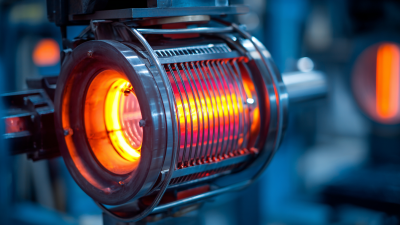
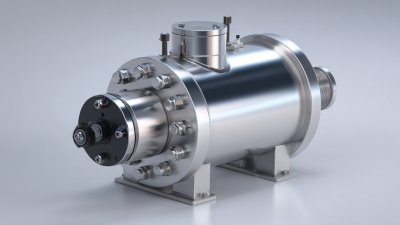
Picking the right China industrial flange heater isn't something you want to take lightly — it's key to getting good performance and saving some cash along the way. The market for these heaters has really taken off recently; in fact, a report from Grand View Research suggests it's growing at around 6.2% each year through 2028. That growth’s driven by the demand from sectors like chemical processing, food and beverage, and oil and gas — pretty much everywhere you look, people need reliable heating solutions.
When you’re choosing a flange heater, it’s important to think about how it’ll fit into your operations. A good one can help cut down your energy bills and keep things running smoothly. These heaters are favored because they perform well at really high temperatures, but if you pick the wrong model — maybe one that isn’t suited to your specific needs — things could get inefficient or even lead to equipment breakdowns. So, getting the specs right — like power requirements and what materials they use — really matters. And don’t forget to check out the manufacturer’s reputation. Some companies might hype up their products a bit too much, so a little research goes a long way.
All in all, taking the time to weigh your options is worth it. Look into how well the products have performed historically and read some reviews before making a call. Make sure your choice lines up with what your operation needs and your budget. A bit of careful planning here means you're more likely to invest in a China industrial flange heater that actually fits your situation, in the long run — trust me, it’s worth the effort.
Industrial flange heaters are essential in many applications. They provide efficient heating solutions in various industries, including petrochemical and food processing. Understanding the basics is crucial when choosing the right one.
Consider the size of your application first. The heat generated should match the requirements of your system. A heater too small will underperform, while one that’s too large can cause overheating. This balance is key to efficiency.
Tips: Always check the material compatibility. The heater must withstand your specific operating environment. Temperature ranges vary, and greasy or corrosive substances can damage some heaters.
Another vital aspect is power supply. Ensure the heater you select matches available power sources. Pay attention to watt density as it affects performance. A higher watt density means faster heating but might reduce lifespan.
Tips: Review technical specifications carefully. Sometimes, manufacturers provide unclear information. Don't hesitate to ask for clarifications to avoid poor choices later.
Identifying your heating requirements is crucial for selecting the right China industrial flange heater. Start by understanding the specific application for which you need the heater. Is it for a high-temperature process or a gentle heating task? Different processes have varying temperature demands. This knowledge affects the type of flange heater you'll need.
Consider your operational environment. The surroundings affect heater efficiency. Extreme temperatures or high humidity can impact performance. Assess the installation space as well. A snug fit may limit options. Sometimes, what looks good on paper might not suit real-life conditions. A practical approach helps avoid costly mistakes.
Tips: Always check energy efficiency ratings. More efficient heaters save costs long-term. Monitor feedback from team members about current heating solutions. They may spot issues that you overlook. Lastly, stay open to adjusting your requirements. As processes change, so might your needs. Don't get stuck in rigid expectations. Flexibility leads to better outcomes.
When selecting an industrial flange heater, material compatibility is crucial. Different materials react differently under heat. For instance, metals like stainless steel often perform well. However, if they are not compatible with the fluid being heated, the risk of corrosion rises. This can lead to heater failure and unscheduled downtime.
Consider the environment where the heater will be used. For high-temperature applications, specialized materials may be necessary. Some plastics or composites might seem viable but can degrade faster than expected. Regular wear and tear can lead to leaks and inefficiency. Reflecting on past experiences helps understand these nuances.
Evaluate the fluid's chemical properties before making a choice. This analysis can reveal unforeseen interactions that affect performance. Don’t overlook testing materials under real-world conditions. Relying solely on specifications may not paint the complete picture. It’s important to think about long-term durability as well. Incompatible materials can cost more in repairs and maintenance over time.
| Material | Temperature Tolerance (°C) | Corrosion Resistance | Applications |
|---|---|---|---|
| Stainless Steel | -196 to 400 | Excellent | Food Processing, Chemical Industries |
| Aluminum | -270 to 700 | Good | Aerospace, Automotive |
| Copper | -200 to 300 | Moderate | Heat Exchangers, Electrical Applications |
| PTFE | -200 to 260 | Excellent | Chemical Processing, Pharmaceuticals |
| Ceramics | -50 to 1500 | High | High-Temperature Applications, Electrical Insulation |
Choosing the right power rating for a China industrial flange heater can be challenging. It's crucial to assess the specific requirements of your application. Consider the materials you'll be heating and the temperature needed. Different materials respond differently to heat. For instance, metals may require more power than plastics to reach their desired temperature.
Also, remember that a higher power rating may not always be the best choice. Excessive heat can damage sensitive components. Ensure you balance the power rating with the efficiency of your heating process. A smaller heater may suffice in some situations. Take time to evaluate your setup. Sometimes, trial and error is necessary to find the perfect match, which can be frustrating.
Don’t overlook the environment where the heater will operate. Ambient temperature can influence the heating efficiency. Consider variations that could affect performance over time. Reflect on the importance of regular maintenance, as wear can alter the heater's effectiveness. Small details matter greatly when selecting the right power rating for your flange heater.
When selecting a China industrial flange heater, size and installation considerations play crucial roles. The heater's dimensions must match the pipe or equipment it connects to. According to industry reports, heaters should generally be one size larger than the flange size. This allows for better heat distribution and efficient operation. For example, a 4-inch flange may require a 6-inch heater.
Installation requires careful planning. Ensure that there’s enough space around the heater for maintenance. Many plants underestimate this need. A cramped setup can lead to risks and inefficient operations. Remember, overheating and electrical failures can occur in tightly enclosed spaces.
Tips: Always measure fluctuations in temperature during operation. It’s a good practice to check regularly. Also, make sure to follow the recommended installation guidelines from experts. They can prevent costly mistakes and downtime. Be aware of the local regulations that may apply. This can affect heater performance and safety. Keeping these factors in mind can guide you toward making a suitable choice.
Choosing the right industrial flange heater involves understanding safety features and standards. Flange heaters must meet specific safety criteria to prevent accidents. Check for certifications from recognized safety organizations. This ensures the product complies with safety regulations.
Evaluate the materials used in the construction of the flange heaters. High-quality materials can withstand high temperatures and resist corrosion. Flange heaters should also have safety shut-off options. This prevents overheating and potential hazards. Regular maintenance is crucial but sometimes overlooked.
Consider the design of the heater. A well-designed heater will enhance safety features. Look for heaters with built-in controls and indicators. These features help operators monitor performance easily. Inadequate attention to safety details may lead to dangerous situations. Make sure to review all aspects thoroughly before deciding.
When selecting the right industrial flange heater, customer reviews play a vital role. They provide insight into real-world performance and reliability. A manufacturer might present impressive specifications, but only actual users can attest to the heater’s efficiency and durability. Look for feedback on how long the heaters last under various conditions. This information can be critical in your decision-making process.
Tips: Read recent reviews for the most current insights. Check multiple sources to validate claims. Sometimes, one negative review can signal a serious issue, but it might also reflect an isolated incident.
Balance the information you gather. While positive testimonials are encouraging, they can be biased. Pay attention to consistent feedback across many reviews. This can help mitigate any misleading enthusiasm from individual experiences. Consider the application of the heater too. A model that works well in one industry may not perform adequately in another.
Tip: Create a checklist of features important for your needs. This helps in filtering manufacturers based on customer satisfaction. Don't overlook the importance of after-sales support. Often, the reliability of a manufacturer shines through when you need assistance.
: Common personal care products include lotions, shampoos, and soaps. They enhance daily hygiene and comfort.
Consider updating based on seasonal changes or skin condition. Regular assessment is key to effective care.
Not always. Some natural ingredients can irritate skin. It's essential to know your skin type.
Look for noticeable changes in your skin over a few weeks. Track your skin's response.
Discontinue use immediately. Evaluate your skin's reaction and consult a professional if needed.
Yes, it's common. Some products work differently for everyone. Reflection helps find what suits you best.
When selecting the right China Industrial Flange Heater, it’s essential to understand its basic functionalities, which include heating efficiency and compatibility with your specific applications. Start by identifying your heating requirements to ensure optimal performance, taking into account factors like temperature needs and application type. Evaluating material compatibility is also critical, as the heater must align with the substances it will be in contact with to avoid damage and ensure longevity.
Next, consider the power rating of the China Industrial Flange Heater to achieve effective heating results. Size and installation considerations must not be overlooked, as these factors directly affect ease of use and integration into your existing systems. Additionally, reviewing safety features and compliance with industry standards is vital to ensure safe operation. Lastly, comparing manufacturer reliability and customer reviews provides insights into the long-term performance and trustworthiness of the heaters, guiding you to make an informed decision.