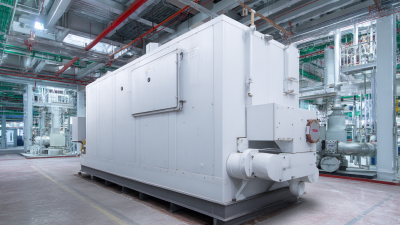
Choosing the right industrial process heater can honestly feel pretty overwhelming at times. With so many options out there, it’s easy to get lost in the details. That’s why experts like Jane Doe from HeatTech Solutions always remind us that really, understanding your specific needs is the key. She puts it simply: "Picking the right heater isn’t just about guessing; it takes careful thought about a bunch of different factors."
On top of that, companies often hit some bumps along the way. They need to juggle things like energy efficiency, how much heat they actually need, and what their particular process requires. Skip over any of these details, and it could end up costing a lot—wasted energy, higher bills, you name it. Making a wrong choice here isn’t just about small setbacks; it can really hit your bottom line.
And honestly, some folks tend to overlook certain things. Like, the method of heat transfer might seem pretty minor, but it actually makes a big difference in how well the heater performs. The bottom line? Industrial process heaters should be customized to fit what you’re doing—one size definitely doesn’t fit all. When businesses think through these factors and make smarter choices, they basically set themselves up for better productivity and a more sustainable operation. It’s all about making informed decisions, after all.
When selecting industrial process heaters, understanding the various types available is crucial. These heaters can broadly be classified into several categories. Electric heaters are popular for their ease of installation and efficiency. They are ideal for processes requiring precise temperature control. In contrast, gas-fired heaters are known for their power. They operate at higher temperatures and are often used in heavy manufacturing industries.
Another option is steam heaters. These systems utilize steam to transfer heat, making them efficient for specific applications. They are suitable for food processing and chemical manufacturing. Additionally, infrared heaters are gaining traction. They provide fast heating by emitting radiant energy, making them ideal for surface heating in various sectors.
Choosing the right type involves careful consideration of your process requirements. Each type has advantages and disadvantages. What works for one industry may not fit another. Remember, the configuration, installation space, and maintenance must also be considered. It's important to reflect on these factors deeply. Each choice can significantly affect both efficiency and costs in the long run.
Selecting the right industrial process heater involves several key factors. Start with understanding the specific heating requirements of your facility. The temperature range is crucial. Different processes demand different temperature levels. Evaluate the maximum and minimum temperatures needed. This helps narrow down your options effectively.
Energy efficiency is another important aspect. Consider the type of fuel source available. Some heaters operate on electricity, while others utilize gas or oil. Each option has varying efficiency rates. Assessing the operational costs is essential. Often, the cheaper option initially could turn out to be more expensive in the long run.
Moreover, ensure the heater meets safety standards. Look into the heater’s design. Some units are better suited for high-risk environments. Maintenance requirements should also be considered. Frequent servicing may lead to downtime. Reflect on these factors carefully. Making a decision based solely on cost can lead to bigger issues later. It's vital to think about the long-term implications of your choice.
| Key Factor | Details | Importance Level |
|---|---|---|
| Heating Capacity | Determine the required heat output to match the process needs. | High |
| Energy Source | Evaluate whether to use electric, gas, oil, or steam as the heat source. | Medium |
| Temperature Range | Select heaters capable of achieving and maintaining desired temperatures. | High |
| Material Compatibility | Ensure the heater materials can withstand the operating conditions. | High |
| Safety Features | Look for built-in safety mechanisms for protection against failures. | Very High |
| Control System | Choose advanced control systems for accurate temperature management. | Medium |
| Installation Space | Assess the available installation area and space requirements. | Medium |
| Maintenance Needs | Consider the maintenance frequency and accessibility for repairs. | Medium |
When choosing industrial process heaters, evaluating heating capacity is crucial. It ensures the heater meets specific application needs. Start by determining the required temperature rise. Calculate the difference between the desired temperature and the incoming fluid temperature. This measurement helps in selecting an appropriately sized heater.
Consider the heat transfer rate. This rate varies by application. For example, in a chemical process, consistent heating is essential. If the heater is too small, it may struggle to reach optimal temperatures. Conversely, an oversized heater could lead to energy waste.
Tips for sizing heaters: Always consult with heating experts when in doubt. Perform real-world calculations rather than relying solely on estimates. Assess your application’s environment—different materials can affect heat transfer. Regular maintenance checks will also ensure the heater's efficiency over time. Don’t ignore feedback from operators; their insights can highlight inefficiencies.
When selecting industrial process heaters, energy efficiency ratings play a vital role. These ratings indicate how effectively a heater converts energy into heat. Higher ratings generally mean lower operational costs. Understanding this can save companies a significant amount.
One tip is to assess the energy consumption versus output. A heater with a lower energy efficiency rating may seem cheaper initially, but it will cost more in the long run. Over time, this can lead to increased expenses. Remember, every BTU counts.
Another consideration is the environment. More efficient heaters often produce less waste. This can align with sustainability goals. Investing in high-efficiency models can also improve your public image.
However, not all high-efficacy models are perfect. Some can be complicated to install and require extensive maintenance. Reflect on whether your facility can adapt to these potential challenges. Balancing cost and efficiency is crucial for long-term success.
This chart illustrates the energy efficiency ratings of different industrial process heaters, measured in Annual Fuel Utilization Efficiency (AFUE) percentage. Higher efficiency ratings can lead to significant reductions in operational costs.
Choosing the right industrial process heater is crucial, but often overlooked is the aspect of material compatibility. Many companies rush into purchasing heaters without fully assessing the materials they’ll come into contact with. This can lead to significant operational issues over time. For example, metal corrosion can occur if inappropriate alloys are used, leading to costly downtime and repairs.
It's essential to evaluate various materials under specific operating conditions. Consider the temperature and pressure ranges. Think about the types of fluids or gases involved. Each material behaves differently under stress. Not every heater made from stainless steel will be suitable for all applications. Sometimes, a less common material might perform better in unique settings.
Long-term durability hinges on making informed choices. Unfortunately, some buyers neglect this process, resulting in failures. Frequent inspections might become necessary, but that’s not always a viable solution. A little oversight in selecting compatible materials can create a ripple effect of issues. Understanding this is key to avoiding future headaches. Always reflect on material choices to ensure they align with operational needs.
When selecting industrial process heaters, regulatory compliance is crucial. Heaters must meet specific industry standards. These standards often ensure safety, efficiency, and environmental protection. For instance, the materials used must resist corrosion while meeting thermal performance requirements. Meeting these guidelines isn't just about paperwork; it affects overall safety and efficiency.
Businesses often overlook the importance of compliance until it's too late. A heater that fails to meet standards can lead to costly fines and lengthy downtimes. Inspecting documentation and certifications can feel tedious, yet it proves essential. Some may rush through the compliance checks. This can lead to selecting a heater that may not perform well in the long run.
Consider energy efficiency ratings as well. Heaters should not only comply but also promote sustainable energy use. Some companies sacrifice quality for lower costs. This compromise can haunt them later, raising operational costs. A little extra effort in ensuring compliance can save businesses from major headaches down the road.
When selecting industrial process heaters, the importance of maintenance and support cannot be overstated. Reliable service options are crucial for minimizing downtime. A heater that frequently breaks down can lead to production delays. Look for manufacturers that offer comprehensive service packages. These often include regular maintenance schedules and troubleshooting assistance.
Consider training for staff on proper heater usage. This can greatly reduce the likelihood of errors. It’s essential to have a clear understanding of the warranty terms as well. Be wary of hidden clauses that might complicate service requests. Some companies may provide a one-year warranty, but that may not cover all necessary repairs.
Support options matter. 24/7 customer service can be a lifesaver during emergencies. You don't want to wait for assistance when a heater fails unexpectedly. Evaluate if the company provides parts quickly. Delays in parts can lead to longer outages. Always reflect on your current and future needs. Will the chosen heater remain effective as production scales? Be proactive in considering these factors.
Process heaters, also known as fired heaters, play a critical role in various industrial applications by maintaining heat within liquid mediums such as water, oil, and chemicals. The efficiency and safety of these systems are paramount, as even a minor malfunction can lead to severe consequences, including safety hazards and production downtime. Recent insights from ATEX compliance reports emphasize the importance of adhering to safety regulations and best practices in the operation of process heaters. These reports shed light on the necessity of regular maintenance, effective monitoring, and the implementation of safety measures to minimize risks associated with thermal processes.
To enhance industrial safety and efficiency, operators of process heaters must focus on the design and installation of these systems. Properly designed process heaters should incorporate robust safety features that can handle high temperatures and pressures. Furthermore, the choice of materials used in the construction of these heaters must be compatible with the substances being heated, ensuring longevity and reliability. Understanding potential risks and implementing comprehensive safety protocols can significantly reduce the likelihood of accidents, thereby sustaining operational efficiency and promoting a safe working environment. By embracing best practices and insights from compliance reports, industries can optimize their heating processes while safeguarding their personnel and assets.
: The product typically contains natural extracts, essential oils, and various vitamins for effectiveness.
Apply a small amount to clean skin. Gently massage until absorbed. Less is often more effective.
Yes, but it’s wise to do a patch test first. Everyone’s skin reacts differently, so be cautious.
It’s generally recommended for daily use. However, overuse may lead to irritation. Listen to your skin.
Discontinue use immediately. Rinse with water and consult a dermatologist if necessary. Please don't ignore this.
Yes, check the packaging for the expiration date. Using expired products can lead to unwanted side effects.
Many users mix products, but some combinations may cause irritation. Be aware of how your skin responds.
Give it time. Results vary by individual. If no improvement appears after a while, reconsider your routine.
When selecting Industrial Process Heaters, it's essential to understand the various types available and their specific applications. Key factors include evaluating heating capacity to ensure proper sizing for your facility, as well as assessing energy efficiency ratings, which directly influence operational costs. Additionally, compatibility with the materials being heated is crucial for long-term durability, and compliance with regulatory standards ensures safety and efficiency in operations.
Choosing the right Industrial Process Heaters also involves considering maintenance and support options, as reliable service can significantly impact the longevity and functionality of the equipment. By paying attention to these aspects, businesses can make informed decisions that enhance performance and reduce costs in their operations.