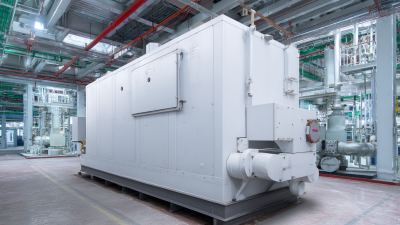
Honestly, picking a process heater in 2026? It's not just about crunching the numbers anymore. Fuel prices are all over the place, emissions rules keep getting tighter, and production schedules? They never seem to hold still. You'd think a heater that looks great on paper would perform well, but nope—it might still waste energy because of sloppy insulation, burners that are way too big, controls that act up, or heat that just doesn't distribute evenly.
So, the U.S. Department of Energy's roadmap on industrial decarbonization says that roughly 51% of the energy used on-site in American manufacturing goes to process heating. And the IEA's latest tech report also points to electrification, heat recovery, and better efficiency as key ways to cut emissions. Honestly, when you look at those numbers, picking a heater isn't just an engineering thing—it's a big financial decision, you know?
You know, John O. Curtis – who really knows his stuff about process heating – once said, “A heater is only as good as the process it serves.” And honestly, that’s a point we can’t ignore. Think about it: a refinery furnace, a food-processing oven, and a chemical reactor? They’re totally different beasts. Each one needs its own temperature profile, its own materials, its own controls, and even its own safety margins. So there’s no one-size-fits-all “best” model out there – not by a long shot.
Ever really dig into the specifics? Like, can that chamber actually hold a steady 850°C without breaking a sweat? And what about the burner – does it react fast when the load shifts? Suppose the feed rate suddenly drops by 30% – what then? Honestly, these are the kinds of questions that tell you way more than any glossy brochure ever will.
You know what's really uncomfortable? The uncertainty. I mean, energy prices, carbon rules, production volumes—they could all shift on you. So when you're picking a Process Heater, you don't just want something that works today; you need flexibility that's real, maintenance you can count on, and a total-cost picture that isn't just wishful thinking. Efficiency is huge, sure, but so is downtime, how your operators like it, spare parts availability, and what it costs if you make the wrong call. Honestly, it's a lot to weigh.
Choosing a process heater starts with process facts, not heater catalogues. Write down the fluid, flow rate, inlet temperature, target outlet temperature, pressure, and operating hours. Include startup and upset conditions. They often control the real duty. A liquid needing 500 kW during steady operation may need much more during a cold start.
State the heating objective clearly. Is it temperature maintenance, evaporation, reaction control, viscosity reduction, or rapid batch heating? Each objective changes the required heat-transfer surface, control strategy, and safety margin. For a thermal-fluid system, calculate duty from mass flow, specific heat, and temperature rise. Add losses through piping and insulation. Do not hide uncertainty. Fluid properties may change sharply with temperature.
A neat spreadsheet can still produce a poor selection when viscosity data is guessed. Check fouling tendency, allowable film temperature, material compatibility, and pressure-drop limits. These details affect heater life and product quality. Use measured data where possible, then verify assumptions with supplier calculations and independent engineering checks. Document normal, minimum, and maximum cases. A heater sized only for average conditions may cycle poorly, overheat surfaces, or fail to reach the target. That is not always obvious. Leave room for control response, but avoid excessive oversizing. Too much capacity can cause short cycling and unstable temperatures. Record every assumption.
Heater selection should begin with the required process temperature, heating medium, heat-up rate, operating pressure, product sensitivity, emissions limits, and control accuracy. The chart shows representative upper operating-temperature ranges for common industrial heating methods; actual limits depend on materials, pressure, heat-transfer design, and safety requirements.
Choosing starts with the process, not the catalogue. A heater must match fluid properties, temperature, pressure, duty, and site utilities. In field assessments, I record inlet and outlet temperatures, flow variation, fouling risk, and available space. Small data gaps can distort the selection.
Direct-fired heaters transfer heat through combustion gases and suit high-temperature, continuous duties. They need burner controls, stack design, flame safeguards, and careful emissions management. Electric resistance heaters provide clean, precise heat at the point of use. They work well for smaller systems, modular skids, and locations with reliable power. Induction heating responds quickly to conductive metal components, but it cannot directly heat every process fluid. Check that assumption.
Thermal-fluid systems circulate heated oil or another approved fluid through jackets, coils, or exchangers. They offer stable indirect heating and flexible temperature control, though pumps, expansion space, and fluid aging require attention. Steam heaters remain practical where dependable steam already exists. They transfer heat efficiently, yet condensate removal and pressure control are often underestimated. Hot-water equipment fits moderate temperatures and gentle duties. Infrared systems can heat exposed surfaces rapidly, but shadows and uneven geometry may reduce uniformity.
For a defensible choice, compare efficiency, control response, maintenance access, safety devices, lifecycle cost, and future load changes. A spreadsheet helps. It does not replace a site walkdown or process hazard review.
Choosing a process heater in 2026 starts with the process environment, not the purchase price. Material selection must reflect temperature, pressure, fluid chemistry, and operating cycles. Carbon steel may suit dry, moderate-temperature service. It can fail quickly in wet chloride conditions. Stainless steel offers better resistance, but it is not immune to pitting or stress corrosion cracking.
The U.S. Department of Energy reports that process heating consumes about 51% of industrial energy in the United States. That makes material efficiency important, not optional. The NACE IMPACT study estimated global corrosion costs at roughly 3.4% of worldwide economic output. A small alloy decision can therefore create major maintenance costs. Nickel-based alloys can handle aggressive chemicals and high temperatures, while ceramic components tolerate extreme heat but may crack during rapid thermal changes. Field experience matters here. Laboratory data alone can miss vibration, deposits, and uneven heating. A perfect material match is rare.
Tips: Build a compatibility table before requesting quotations. Record the maximum temperature, normal temperature, fluid contaminants, heating cycle, and cleaning method. Check published corrosion data and applicable API 560 guidance. Ask for inspection access around welds and burner zones. Do not rely on a generic “high-temperature” label. It sounds reassuring, but it says very little. Recheck assumptions after six months of operation. Real deposits may prove the original design was optimistic.
How to Choose a Process Heater in 2026? The answer starts with three numbers: capacity, temperature, and energy demand. Calculate process duty with this basic relationship: mass flow × specific heat × temperature rise. Add phase-change energy when water, solvents, or other materials evaporate. Then divide by realistic efficiency. Do not size from the heater nameplate alone. The U.S. Department of Energy identifies process heating as a major share of manufacturing energy use, with estimates near 51% in industrial facilities. That makes small calculation errors expensive.
Temperature needs more than a maximum value. Record the normal operating temperature, ramp rate, product temperature uniformity, and permitted overshoot. A heater rated for 800°C may perform poorly at 450°C if control response is unstable. The International Energy Agency’s Energy Efficiency 2023 report shows industry remains one of the largest global energy-consuming sectors. Therefore, measure heat losses through doors, walls, exhaust, and conveyors. A simple infrared survey can reveal surprising losses.
Keep a duty-cycle log for several production days. Include start-up, idle time, cleaning, and peak loads. Compare calculated energy use with utility bills. The numbers may disagree. That is useful. A neat spreadsheet can still miss wet feedstock, seasonal inlet temperatures, or fouled heat-transfer surfaces. The U.S. DOE Industrial Decarbonization Roadmap also emphasizes efficiency, electrification, and heat recovery as practical industrial priorities. Select a heater after testing these variables, not before. Safety margins matter, but excessive oversizing increases cycling, control difficulty, and wasted capital.
A process heater should be selected as a safety system, not merely a heat source. The International Energy Agency reports that industrial heat uses about 20% of global final energy demand. That scale makes efficiency important, but control failures can create greater losses. Define the operating envelope first: maximum temperature, pressure, fuel flow, residence time, and safe shutdown conditions. Ask whether the heater can remain stable during low-load operation. Small details matter, including flame visibility, cabinet access, and the location of emergency stops.
Controls must support people under pressure. Use independent high-temperature trips, fuel shutoff valves, purge sequencing, and alarm priorities. Cybersecurity also deserves attention. NIST SP 800-82 Revision 3 recommends separating operational technology from business networks and controlling remote access. A paper backup procedure may still be necessary. Screens fail.
Regulatory planning should begin before equipment selection. In the United States, OSHA’s Process Safety Management rule can require documented hazard analysis, management of change, training, and mechanical-integrity programs. EPA Risk Management Program requirements may also apply when regulated substances are present. The U.S. Chemical Safety Board has repeatedly linked serious incidents to weak procedures, poor alarm management, and incomplete change reviews. These findings are uncomfortable, but useful. Request test records, inspection intervals, combustion safeguards, emissions data, and proof of compliance. Do not accept “compliant” as a complete answer; requirements differ by process, location, and fuel.
How to Choose a Process Heater in 2026?
Purchase price rarely tells the full story. Compare fuel use, heat-transfer efficiency, downtime, spare parts, inspections, and disposal costs across the heater’s expected life. The U.S. Department of Energy’s Operations & Maintenance Best Practices Guide estimates that effective maintenance can reduce energy use by 5–20% in suitable facilities. For process heaters, even a small efficiency loss can become expensive when production runs continuously. Calculate cost per operating hour, not only cost per unit.
Maintenance deserves equal attention. Ask for inspection intervals, burner access, control-system diagnostics, and typical parts lead times. Request documented failure data from comparable installations. Supplier support should include commissioning, operator training, emergency response, and software updates. The International Energy Agency reported that industry consumed about 37% of global final energy in 2022, making efficiency and reliability material business issues. Yet data can be incomplete. A perfect lifecycle model is impossible. Use conservative assumptions, and show them clearly.
Tips: Build a five-year and fifteen-year cost model. Test fuel-price sensitivity. Define maximum response times in the contract. Check whether critical parts are locally stocked. Visit a similar operating site if possible. Do not accept vague promises. Ask what happens after year ten. A cheap heater may become costly when support fades. A premium system may also disappoint if operators cannot maintain it. Reflect before deciding.
Start with the process. Record fluid properties, inlet temperature, outlet temperature, pressure, flow changes, and heating duty. Small data gaps can distort the decision. Available space and site utilities also matter.
Direct-fired heaters suit continuous duties requiring high temperatures. Combustion gases transfer heat directly to the process surface or equipment. They require burner controls, flame safeguards, stack design, and emissions management. The installation is not simple.
Electric resistance heaters provide clean, precise heat near the process. They suit smaller systems, modular skids, and reliable-power locations. Check electricity capacity during peak demand. The power supply may be less dependable than expected.
Induction heating responds quickly to conductive metal components. It cannot directly heat every process fluid. Check that assumption. Fluid composition and equipment geometry must support the heating method.
Thermal-fluid systems provide stable indirect heating through jackets, coils, or exchangers. They need pumps, expansion space, and fluid condition checks. Steam works well where dependable steam already exists. Condensate removal and pressure control need careful design. Hot water suits moderate temperatures and gentle duties.
Infrared systems heat exposed surfaces rapidly. Shadows, deep recesses, and uneven shapes can create cold areas. Inspect the actual geometry. A clean drawing may hide poor heating uniformity.
Match materials to temperature, pressure, fluid chemistry, and operating cycles. Carbon steel may suit dry, moderate-temperature service. Wet chloride conditions can cause rapid failure. Stainless steel resists corrosion better, but pitting remains possible. Nickel alloys suit aggressive chemicals and high temperatures. Ceramics tolerate extreme heat but may crack during rapid thermal changes.
Build a compatibility table before requesting quotations. Record maximum temperature, normal temperature, contaminants, heating cycles, and cleaning methods. Review corrosion data and inspect welds and burner zones. Generic “high-temperature” descriptions are weak evidence.
Compare efficiency, control response, maintenance access, safety devices, lifecycle cost, and future load changes. A spreadsheet helps. It does not replace a site walkdown or hazard review. Recheck assumptions after six months. Real deposits may prove the original design was optimistic.
Choosing the right Process Heater in 2026 begins with a clear understanding of the process requirements, heating objectives, operating conditions, and production priorities. Start by comparing available heater technologies according to the required heat-transfer method, temperature range, response time, installation constraints, and process compatibility. The heater’s construction materials should also match the environment, including exposure to corrosive chemicals, pressure, moisture, vibration, and continuous or intermittent operation.
Accurate calculations are essential for determining heating capacity, target temperature, energy consumption, and operating efficiency. In addition, evaluate safety systems, temperature controls, monitoring functions, emissions considerations, and applicable regulatory requirements. A reliable selection should also account for total lifecycle cost rather than purchase price alone. Review maintenance intervals, spare-part availability, expected service life, energy performance, technical support, and supplier responsiveness. By balancing performance, safety, durability, compliance, and long-term operating value, you can select a Process Heater that supports stable production and practical cost control throughout its service life.