0%

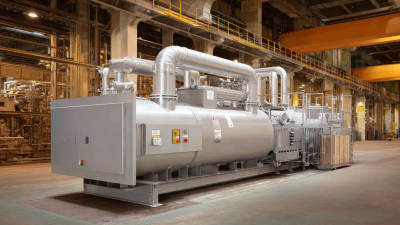
An explosion-proof industrial heater is pretty much a must-have when you're dealing with hazardous environments. These systems are designed to prevent any risk of ignition in places where flammable gases or vapors are around. They're built tough, using durable materials, and packed with smart design features that help them stand up to really harsh conditions.

Take a refinery or chemical plant, for example—having the right heater can be the line between safety and a serious accident. A good explosion-proof heater doesn't just keep things running smoothly; it also prevents sparks and overheating that could cause big trouble. Thanks to this tech, you get reliable performance, even in the most dangerous spots.

But here’s the thing—not every heater is a one-size-fits-all solution. It's super important to pick the right specs and certifications based on what your place actually needs. Companies should really think about their particular requirements before jumping in. Spending a bit extra on the right heater? Totally worth it—safety and efficiency depend on it.

What is an Explosion Proof Industrial Heater and How Does It Work?

What Defines an Explosion Proof Industrial Heater?

What is an Explosion Proof Industrial Heater and How Does It Work?

Explosion proof industrial heaters are essential in hazardous environments. These heaters are designed to operate safely where flammable gases or dust may be present. According to the National Fire Protection Association (NFPA), there are over 4,000 explosive incidents in industrial settings each year. This highlights the need for proper equipment that can withstand such dangers.

What defines an explosion proof industrial heater? These heaters feature robust materials and high levels of insulation. They are built to prevent sparks or flames from escaping enclosure. The design typically adheres to specific standards, like the ATEX directive in Europe. This ensures the equipment can function safely under classified zones. Evaluating heaters should include looking at their safety ratings and certifications.

Even with advanced technology, challenges remain. Factors like ambient temperature and humidity can affect performance. Regular maintenance is vital for ensuring reliability and longevity. Improper installation can lead to increased risk. Adhering to guidelines and standards is crucial. Investing in quality training for personnel can significantly reduce hazards. Understanding the limitations of explosion proof heaters can improve safety measures in the workplace.

Key Features of Explosion Proof Industrial Heaters

Explosion-proof industrial heaters are designed to operate safely in hazardous environments. These heaters ensure that any potential ignition sources are contained, making them crucial for factories, chemical plants, and oil rigs. The construction often features robust materials, durable enclosures, and specialized seals to protect against explosive dust or vapors.

One key feature of these heaters is their temperature control mechanism. This allows for precise heat management, reducing the risk of overheating. They often come with built-in thermal sensors that monitor the internal temperature. If the system detects rising heat levels, it automatically adjusts to maintain safety. Another notable aspect is their installation flexibility. Many units can be mounted on walls, ceilings, or floors, accommodating various layouts.

Despite their robust design, some users may overlook maintenance needs. Regular checks are essential to ensure continued safety and performance. Over time, dust buildup or wear may compromise the heater's effectiveness. Training personnel on proper usage and safety protocols also requires ongoing attention. Recognizing these aspects is vital for maintaining a safe industrial environment.

How Explosion Proof Heaters Ensure Safety in Hazardous Environments

Explosion proof industrial heaters are essential in hazardous environments. Such heaters prevent ignition of flammable gases, vapors, and dust. They are designed with robust materials and special components to withstand extreme conditions. According to the National Fire Protection Association (NFPA), over 70% of industrial fires result from ignition sources. Using heaters that meet explosion-proof standards significantly reduces this risk.

These heaters use advanced safety features. For instance, they often have external casing that can withstand rigorous conditions. Their internal mechanisms are sealed to prevent sparks. An effective design keeps temperatures low on the surface. This prevents any buildup of ignitable materials. In sectors like oil and gas, where ignition risks are high, using explosion-proof heaters has been shown to mitigate potential hazards by up to 40%. However, even these specialized units can have limitations. Regular maintenance is crucial. Failure to inspect or service heaters can lead to dangerous situations.

Workplace safety should prioritize using reliable equipment. Addressing potential risks is key in environments with explosive materials. However, some companies overlook the importance of training personnel to operate these heaters safely. Knowledge gaps can turn safety measures into weaknesses. Investing in education, along with the right equipment, ensures a safer working environment.

Safety Features of Explosion Proof Industrial Heaters

The Working Principle of Explosion Proof Industrial Heaters

Explosion-proof industrial heaters are designed to operate safely in high-risk environments. Their construction prevents ignition of flammable gases or vapors. In a typical industrial setting, these heaters can effectively manage temperatures while minimizing explosion risks. Statistics indicate that over 20% of industrial accidents stem from fires and explosions, highlighting the necessity for reliable heating solutions.


The working principle of explosion-proof heaters involves rigorous safety measures. They are built using durable materials that can withstand high temperatures. Electrical components are enclosed and sealed to prevent any contact with external elements. This design reduces the chances of ignition. According to industry reports, the use of explosion-proof equipment can decrease workplace accidents by up to 25%. Proper installation and regular maintenance are crucial. Issues may arise if heaters are not frequently checked.


Many facilities may overlook small signs of wear or damage. This negligence can lead to serious incidents. Regular inspections are essential in ensuring the efficacy of these heaters. Comprehensive training should be provided to personnel. Understanding the specifications and limitations of heating equipment is vital to maintaining safety standards. Implementing strong protocols can vastly improve the safety of industrial environments.

Common Applications of Explosion Proof Industrial Heaters

Explosion proof industrial heaters play a crucial role in challenging environments. These heaters are designed to operate safely in areas where flammable gases or vapors exist. Industries like oil and gas, chemical manufacturing, and pharmaceuticals often rely on such heaters. According to industry reports, around 30% of workplace accidents in these sectors are linked to ignition sources. This highlights the need for reliable heating solutions.

One common application is in petrochemical plants. Here, these heaters ensure safe operation during winter months. They prevent pipe freezing and maintain optimal temperatures. A study from the National Fire Protection Association (NFPA) states that effective heating can reduce hazardous situations by up to 40%. In such settings, explosion proof heaters help create safe working environments.

Another significant application is in food processing. Maintaining temperature stability is crucial for quality control. A malfunction could lead to spoilage and financial loss. Reports indicate that about 15% of food recalls are due to temperature failures. The use of explosion proof heaters minimizes this risk, ensuring consistent heating without ignition hazards. In both applications, these devices demonstrate their essential role in safety and efficiency.

Factors to Consider When Choosing an Explosion Proof Heater

When selecting an explosion-proof industrial heater, several factors come into play. It's vital to consider the environment where the heater will operate. Different industries, like oil and gas or chemical manufacturing, have distinct requirements. Analyzing the specific hazards in the area is crucial. Understanding the classifications of the hazardous locations helps in selecting the right heater.

A significant aspect is the heater's power source. There are electric and fuel-fired options available. Electric heaters are often easier to install but may not be suitable for all locations. Conversely, fuel-fired units can provide more heat, but they come with additional safety requirements. Always ensure that the heater complies with industry regulations for safety and efficiency.

Tip:

Always consult a certified professional when selecting equipment for hazardous locations. Their expertise can help determine the best fit for your specific needs.

Another consideration is the heater's maintenance requirements. Regular inspections can prevent failures. Some heaters may require constant attention, while others are more hands-off. It's essential to weigh the operational costs against the performance.

Tip:

Keep a maintenance log to track service intervals. A well-maintained heater will last longer and perform more reliably.

Maintenance Tips for Ensuring Optimal Performance of Heaters

What is an Explosion Proof Industrial Heater and How Does It Work?

Proper maintenance of explosion proof industrial heaters is essential for their longevity and performance. These heaters operate in hazardous environments, and any malfunction can pose serious risks. Regular inspections should be conducted to check for wear and tear. Pay close attention to electrical connections and heating elements. Corrosion can damage critical components. Dust and dirt accumulation can also hinder performance, so cleanliness is vital.

Routine testing of controls and safety features is important. Ensure that the thermostat functions correctly. An inaccurate thermostat may lead to overheating. Check that safety shut-off switches engage properly during tests. Regularly replace filters to maintain airflow efficiency. Remember, neglecting minor issues can lead to costly repairs or safety hazards later.

Documentation of maintenance records can aid in tracking performance trends. This practice encourages accountability and helps identify recurring problems. It’s useful for troubleshooting and compliance with safety standards. Reflecting on past maintenance efforts can help improve future practices, ensuring a safer working environment. Each detail matters when dealing with potential hazards.

Evaluating the Efficiency and Compliance of the 380V 300KW Explosion-Proof Industrial Heater Based on Industry Standards and Market Trends

In the industrial sector, the need for efficient heating solutions has become crucial as processes demand specific temperature controls for optimal performance. One notable example is the use of electric industrial heaters, which play a vital role in various applications, such as warming lubricating oils before they are circulated in machinery or employing tape heaters to prevent pipes from freezing in colder environments. The adoption of 380V 300KW explosion-proof industrial heaters has garnered attention due to their adherence to industry standards and their alignment with market trends.

Evaluating the efficiency of these heaters not only involves examining their operational capabilities but also the level of compliance with safety regulations. Explosion-proof specifications are essential in environments where flammable substances are present, ensuring that the heaters operate safely and effectively without risking ignition. Moreover, market trends indicate a growing preference for energy-efficient solutions, prompting manufacturers to innovate their technologies to meet both operational efficiency and compliance standards. As industries continue to scale, the demand for robust and safe heating solutions remains a key focus, driving advancements in heater design and function.

FAQS

: What environments are explosion-proof industrial heaters suitable for?

: These heaters are designed for hazardous environments, like factories, chemical plants, and oil rigs.

How do explosion-proof heaters prevent ignition?

Their construction uses durable materials to contain potential ignition sources and seal electrical components.

What is the importance of temperature control in these heaters?

Temperature control helps manage heat output, reducing overheating risks and maintaining safety.

Can users install explosion-proof heaters in various locations?

Yes, many units can be mounted on walls, ceilings, or floors. This offers flexibility in installation.

What maintenance needs should users be aware of?

Regular checks are crucial. Dust buildup or wear can impact effectiveness and safety.

How can negligence in maintenance affect these heaters?

Overlooking wear or damage can lead to serious incidents, compromising safety in industrial settings.

Why is training important for personnel using these heaters?

Comprehensive training ensures users understand heater specifications and safety protocols, improving overall safety.

How often should explosion-proof heaters be inspected?

Regular inspections are essential for maintaining efficacy and recognizing any potential issues.

What role do thermal sensors play in these heaters?

Thermal sensors monitor internal temperatures and adjust automatically to uphold safety standards.

What can happen if issues with heaters are not addressed promptly?

Ignoring small signs of damage can escalate and result in serious workplace incidents.

Conclusion

An Explosion Proof Industrial Heater is specifically designed to operate safely in hazardous environments where flammable gases or vapors may be present. These heaters are engineered with intrinsic safety features that prevent ignition, including robust housing materials and specialized electrical components. Key features of these heaters often include thermal protections, weatherproof construction, and compliance with industry standards, ensuring they can withstand extreme conditions.

The effectiveness of Explosion Proof Industrial Heaters lies in their ability to maintain a safe operating temperature while efficiently heating spaces such as factories and warehouses. They are commonly used in industries like oil and gas, chemical manufacturing, and pharmaceuticals. When selecting an explosion-proof heater, factors such as the environment, power requirements, and maintenance considerations should be prioritized to ensure optimal performance and longevity. Regular maintenance is crucial for preserving safety and efficiency, allowing these heaters to perform reliably in critical applications.

Clara

Clara

Clara is a dedicated marketing professional at Weineng, a cutting-edge enterprise specializing in the manufacturing of explosion-proof electric heaters. With extensive experience in design, production, and commissioning, she possesses a deep understanding of the technical aspects and applications......
Previous Why Choose China Industrial Heater Bundle for Your Business?
Next 2026 How to Choose the Best Electric Process Heater Manufacturers?