
Picking the right explosion-proof immersion heater really matters when you’re working in hazardous environments. John Smith, who's pretty much an authority at SafeHeat Technologies, points out, “Choosing the correct heater can really prevent disasters.” It’s a good reminder just how important careful selection is.
These kinds of heaters are absolutely vital in industries like oil and gas—places where safety isn’t just a bonus, but a must. They need to handle volatile conditions without breaking a sweat, all while doing their job efficiently. Sounds straightforward, but with so many options out there, it's easy to get overwhelmed. Experts often recommend looking for heaters that have the right certifications for industrial standards—don't settle for cheaper options if that means sacrificing quality.
Not every product that looks good on paper will perform well in real-world, pressured situations. A heater that's bought without proper thought can cause delays, safety hazards, or worse. That's why it’s crucial to understand what makes an explosion-proof heater reliable—things like good temperature controls, durable materials, and energy efficiency. Taking the time to pick carefully can truly be the difference between staying safe and facing a disaster.

Understanding Explosion Proof Immersion Heaters and Their Applications
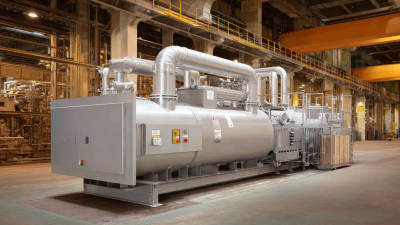
Explosion proof immersion heaters are critical in hazardous environments. They are designed to operate safely where flammable gases, vapors, or dust exist. Understanding their functionality is essential for ensuring safety. These devices prevent ignition sources from escaping, maintaining a secure working environment.
Choosing the right heater involves several considerations. The operating temperature range is crucial. It must suit the specific application and material being heated. Factors like material compatibility and power requirements also play a key role. An improperly chosen heater can lead to inefficiencies or hazards.
Applications vary widely, from oil and gas industries to chemical processing. Each application demands a specific design and capability. Regular inspections are essential to ensure reliability. Many users overlook this maintenance aspect, potentially leading to system failures. Awareness and education on proper usage can greatly improve safety outcomes.
Maximizing Energy Efficiency and Comfort: Insights from Industry Reports on Customized Air Duct Heaters
In today's quest for maximizing energy efficiency and comfort in residential and commercial spaces, customized air duct heaters play a crucial role. Designed specifically for air-heating systems, these heaters are ideal for integrating surplus heat from heat recovery systems. By efficiently utilizing excess thermal energy, they significantly enhance the overall efficiency of heating systems, reducing energy consumption and lowering utility costs.
Moreover, the flexibility of these duct heaters allows them to be tailored to various air duct configurations, ensuring optimal performance regardless of the building layout. This customization not only leads to improved heating efficiency but also contributes to maintaining a comfortable indoor environment. By strategically placing duct heaters within air duct systems, homeowners and facility managers can create zones with precise temperature control, thus promoting personalized comfort and enhancing overall satisfaction.
Industry reports highlight the importance of incorporating advanced technologies in duct heating design, which further boosts energy efficiency. These innovations often include smart controls and sensors that adapt to occupancy patterns and environmental changes, ensuring energy is used wisely. By investing in customized air duct heaters, users can enjoy a sustainable and tailored approach to heating, achieving a perfect balance between comfort and efficiency.

FAQS
: Safety standards and certifications are crucial. They confirm the heater’s reliability in hazardous settings.
Durable materials like stainless steel resist corrosion. This enhances the heater’s lifespan in difficult conditions.
Higher watt densities may lead to overheating. A balance between efficiency and safety is essential.
Advanced temperature controls allow for precise heating. This can help prevent overheating and enhance safety.
Check for relevant safety certifications. Research can clarify which standards apply to your needs.
Review test reports and consult safety experts. This helps ensure you select a reliable product.
Regular inspections identify wear and tear. Check seals and connections to prevent leaks and malfunctions.
Use the heater within designated limits to avoid overheating. Keep the area clear to reduce fire risks.
Training should focus on understanding operational limits. Proper knowledge can prevent costly downtime and hazards.
Learning from past protocols can inform better future choices. Continuous improvement ensures safer operations.
Conclusion
When selecting the best Explosion Proof Immersion Heater, it is crucial to understand their functionality and intended applications. These heaters are designed to operate safely in hazardous environments, thus the selection process should prioritize key features such as robust construction, reliable safety ratings, and suitable materials that can withstand severe conditions. Evaluating safety certifications is essential to ensure compliance with industry standards.
Furthermore, determining the right power output and installation requirements is vital for optimal performance. A thorough comparison of various models can help in understanding the differences in capability and reliability among options. Lastly, ongoing maintenance and operational considerations play a key role in extending the life of an Explosion Proof Immersion Heater and ensuring safe operation over time. By following these guidelines, users can make informed decisions that enhance safety and efficiency in hazardous settings.
Related Posts
-

How to Choose the Best Explosion Proof Industrial Heater?
-
The Essential Ultimate Guide to Choosing the Best Explosion Proof Industrial Heater Suppliers
-

The Best Anti Explosion Electric Heater for Safe Heating?
-

7 Essential Tips for Choosing the Right Explosion Proof Industrial Heater Manufacturer
-

How to Choose the Right Explosion Proof Immersion Heater?
-

2026 Top Industrial Immersion Heater Trends You Should Know?
