0%

Industrial circulation heaters are pretty essential in a lot of manufacturing setups. They're usually the go-to for efficiently transferring heat to liquids and keeping everything at the right temperature. I remember chatting with John Smith over at Thermal Tech Industries — he mentioned that these heaters are actually key for smoothing out workflows and boosting productivity. It really drives home how important they are in industrial heating roles.

Now, when you look at sectors like food processing, oil and gas, or chemical manufacturing, having reliable temperature control isn’t just a bonus — it’s a must. These heaters are great because they heat stuff evenly and safely, which is a big deal. That said, not all circulation heaters are created equal. Some just don’t perform well under certain conditions. So, companies really need to pick the right kind for their specific needs.

That being said, there’s still room to make these heaters better — we’re talking about improving efficiency and design. Sometimes, heaters run into issues like scaling up or not regulating the temperature properly. Regular check-ups and maintenance can help prevent these problems, but honestly, a lot of companies tend to overlook that part. It’s super important for them to step back and make sure they’re getting the most out of their circulation heaters. After all, proper care means better performance and longer lifespan, right?

What is an Industrial Circulation Heater and How Does It Work?

What is an Industrial Circulation Heater?

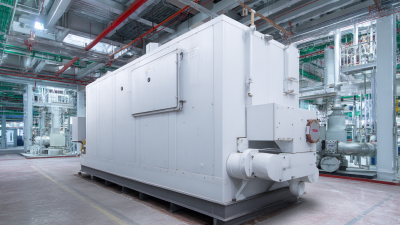
An industrial circulation heater is a vital component in many manufacturing processes. It provides consistent heating by circulating a thermal fluid through a series of pipes and heat exchangers. This approach allows for efficient heat distribution, improving the productivity of industrial operations. A report from the Thermal Equipment Institute notes that these heaters can achieve energy savings of up to 25% compared to conventional heating methods.

In addition to efficiency, the design of circulation heaters allows for precise temperature control. This is crucial for applications requiring specific heat levels. For example, in chemical processing, maintaining a set temperature can enhance reaction rates and product quality. However, not all systems are optimized. Some industries still rely on outdated technology, leading to increased operational costs and safety risks.

The materials used in circulation heaters also matter. High-quality construction can withstand extreme temperatures and pressures. However, there are challenges in selecting the right materials. Corrosion and scaling can reduce efficiency over time, causing breakdowns. Regular maintenance and upgrades are essential for sustaining performance, but many businesses neglect this aspect, risking costly downtime.

Key Components of Industrial Circulation Heaters

Industrial circulation heaters are essential for various applications. They effectively heat fluids by circulating them through heated coils. Understanding the key components of these heaters helps us appreciate their functionality.

The primary part of a circulation heater is the heating element. These elements come in various sizes and materials. They convert electrical energy into heat. Often situated in the center of the unit, they directly raise the temperature of the fluid. Surrounding the heating element, insulation plays a crucial role. It minimizes heat loss during operation. This ensures that energy is used efficiently, although some heat loss may still occur.

Another vital component is the pump. It circulates the fluid throughout the system. Choosing the right pump is critical. The pump must match the flow rate needs of the system. If it is too weak, the heating efficiency drops. If it is too strong, it can cause vibration issues. Understanding these aspects is essential for optimal performance. Overall, the interplay of elements makes these heaters effective, but fine-tuning is often necessary.

How Industrial Circulation Heaters Operate

Industrial circulation heaters are essential in many manufacturing processes. These heaters provide precise temperature control for liquids. They utilize a simple mechanism to heat fluids as they circulate through a system. A heating element warms the fluid, which then flows through pipes. This allows for even, consistent heating across the system.

Understanding how these heaters operate can improve efficiency. The circulation process ensures that hot fluid replaces cooler fluid rapidly. This method minimizes heat loss. It's crucial to monitor temperature directly at the output. Sensors are beneficial here. They can help maintain ideal conditions for production.

Tips: Regular maintenance is key. Inspect heating elements for wear and tear. Check the insulation of pipes. This can prevent heat loss and save energy. Adjust flow rates based on your specific needs. Remember, not all systems need the same settings. Experiment to find the optimal configuration for your process.

Types of Industrial Circulation Heaters

What is an Industrial Circulation Heater and How Does It Work?

Industrial circulation heaters play a crucial role in various processes. These devices are designed to heat fluids and transfer heat efficiently. Different types of circulation heaters exist, each tailored to specific applications.

Electric circulation heaters are common in industries. They convert electrical energy into heat, providing precise temperature control. These units are often compact and easy to operate. Gas-fired circulation heaters are another option. They burn natural gas or propane to heat fluids. These heaters can offer high-temperature capabilities, especially in heavy industries.

Some reports indicate that efficient heating systems can improve energy usage by up to 30%. However, the initial investment can be a barrier for some businesses. Regular maintenance is required to ensure optimal performance, and neglecting this can lead to reduced efficiency. It's vital for companies to weigh the benefits against such challenges when considering installation.

Applications of Industrial Circulation Heaters in Industries

Industrial circulation heaters play a vital role in various industries. They are designed to ensure consistent heating of fluids moving through a system. These heaters can be found in food processing, chemical manufacturing, and HVAC systems. Each application has unique requirements and challenges, close attention is needed.

In the food industry, these heaters maintain precise temperatures for liquids such as oils and sauces. They help prevent spoilage and ensure product quality. However, improper settings can lead to uneven heating. This may affect the final product. Regular monitoring is essential for optimal performance.

Chemical processing applications also benefit from industrial circulation heaters. They increase reaction rates by maintaining required temperatures for different chemicals. This efficiency can reduce production time. But, if not managed well, overheating can compromise product integrity. Safety should always be a priority in such environments.

Tips: Routinely inspect your heaters. Look for signs of wear and tear. Keep an eye on temperature controls. Small adjustments can lead to significant improvements in efficiency. It's essential to address issues promptly.

Industrial Circulation Heaters Data Table

Industry Application Typical Temperature Range (°F) Benefits
Manufacturing Heating of Process Fluids 150 - 350 Efficient heating, consistent temperature control
Food Processing Sanitizing and Heating Ingredients 120 - 250 Improves safety standards, enhances product quality
Chemical Industry Maintaining Reaction Temperatures 180 - 400 Increases reaction efficiency, reduces energy consumption
Plastics Melt Processed Materials 200 - 500 Uniform heat distribution, lowers production costs
Pharmaceuticals Sterilization Processes 140 - 300 Ensures compliance, enhances product integrity

Advantages of Using Industrial Circulation Heaters

What is an Industrial Circulation Heater and How Does It Work?

Industrial circulation heaters are pivotal in various applications. They efficiently heat fluids and gases to desired temperatures. One of the major advantages of using these heaters is their energy efficiency. According to a report from the Department of Energy, industrial processes can account for up to 30% of a facility's energy usage. By implementing circulation heaters, energy consumption can be reduced by 15-25%. This is a significant saving in both energy costs and environmental impact.

Another benefit is the enhanced temperature control they provide. Precise temperature management is crucial in many industries, such as food processing and chemical manufacturing. These heaters circulate heated fluids consistently, ensuring uniform heat distribution. A study by the Thermal Equipment Manufacturers Association indicated that temperature uniformity can improve product quality by up to 20%. This highlights the importance of reliability in industrial heating systems.

However, it’s essential to consider the maintenance of these heaters. Regular servicing is needed to avoid efficiency losses. Neglecting maintenance can lead to decreased performance, which may result in increased energy costs. Companies must prioritize training personnel in proper maintenance practices to maximize the life and efficiency of their systems.

Maintenance and Safety Considerations for Circulation Heaters

Maintenance and safety for circulation heaters are crucial. Regular checks keep things running smoothly. Ensure that the power supply is stable and connections are secure. Inspect the heater for any signs of wear or damage. A small crack can lead to bigger problems later.

Tip: Schedule monthly inspections. Look for leaks or unusual noises. These can indicate serious issues early on. Addressing them quickly can save time and money.

Always follow safety protocols. Use proper personal protective equipment (PPE). This is essential when working with electrical systems. Make sure emergency shut-offs are accessible. This ensures a quick response in case of a malfunction.

Tip: Keep areas around heaters clear. Clutter can be a fire hazard. Maintaining a tidy space is not just about organization; it is about safety. A little effort now can prevent disasters later.

Efficient Solutions: Exploring Tubular Heaters for Optimal Air Duct Heating Systems

In the quest for efficient air duct heating systems, tubular heaters, particularly those enhanced with finned designs, present optimal solutions. Finned tubular air heating elements are engineered to maximize heat transfer through innovative construction, incorporating continuous spiral fins that are permanently furnace brazed to the sheath. This design dramatically increases the surface area of the heating element, allowing for more effective interaction between the heater and the air flowing through the ducts.

The addition of fins serves not only to enhance the overall heat transfer capacity but also to achieve lower surface element temperatures. This is crucial in preventing overheating, prolonging operational life, and ensuring safety in heating applications. As a result, finned tubular heaters can operate efficiently in various settings, facilitating rapid heating and maintaining comfortable ambient temperatures while minimizing energy consumption. For facilities that prioritize both performance and energy efficiency, the selection of finned tubular heating elements is a promising solution designed to meet modern heating demands effectively.

FAQS

: What is the primary function of industrial circulation heaters?

: They provide precise temperature control for fluids in manufacturing processes.

How do industrial circulation heaters operate?

A heating element warms the fluid, which flows through pipes for consistent heating.

Why is regular maintenance important for these heaters?

Maintenance prevents wear and tear, ensuring efficiency and reducing energy costs.

What industries commonly use industrial circulation heaters?

They are widely used in food processing, chemical manufacturing, and HVAC systems.

How can improper settings affect heating in the food industry?

Improper settings can lead to uneven heating, potentially affecting product quality.

What should be monitored to maintain optimal performance?

Temperature controls and heater conditions should be regularly inspected and adjusted.

What energy savings can circulation heaters provide?

They can reduce energy consumption by 15-25%, leading to lower costs and a smaller environmental impact.

What could happen if overheating occurs in chemical processing?

Overheating can compromise product integrity, making safety critical.

What is one key tip for using these heating systems effectively?

Adjust flow rates according to specific requirements for better efficiency.

Why is training on maintenance practices essential?

It maximizes the life and efficiency of circulation heaters, preventing costly performance losses.

Conclusion

Industrial Circulation Heaters are specialized devices designed to heat liquids or gases in various industrial applications. They consist of key components such as heating elements, pumps, and control systems, which work together to ensure efficient heat transfer. The operation of these heaters involves circulating the fluid through the heating elements, thereby raising its temperature before returning it to the system.

There are several types of Industrial Circulation Heaters, including electric and gas-fired units, each tailored to specific operational needs. Their applications span various industries, from manufacturing to food processing, enhancing efficiency and productivity. Additionally, the advantages of using Industrial Circulation Heaters include precise temperature control and energy savings. However, users should also consider maintenance and safety protocols to ensure optimal performance and longevity of the equipment.

Aria

Aria

Aria is a dedicated professional marketing specialist at Weineng, a cutting-edge enterprise renowned for its expertise in manufacturing explosion-proof electric heaters. With a rich background in design, production, and commissioning, Aria possesses an exceptional level of knowledge regarding the......
Previous Innovative Solutions for Industrial Heating Challenges in Manufacturing Environments