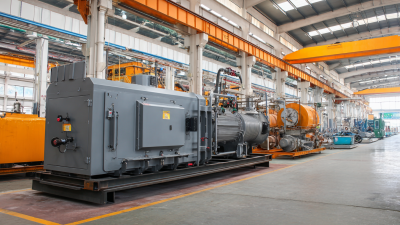
Industrial Process Heaters might not be something you hear about every day, but they actually play a pretty crucial role in all sorts of manufacturing and industrial setups. These systems are basically the backbone when it comes to getting heat where it needs to go, keeping production running smoothly. They’re designed to heat up fluids like oils or gases—think about everything from oil and gas processing to food production or chemical manufacturing. If you want to make sure your operations are efficient, safe, and produce top-notch products, understanding how these heaters work is pretty darn important.
At their core, these heaters work by warming up something – it could be water, oil, or even air – and then circulating that heated medium through the system until the right temperature’s reached. There are different tech options here too—electric, gas-fired, oil-fired—you name it—each picked based on what the specific job needs and environmental factors. Getting a handle on how these heaters operate helps industries optimize their processes, cut down on energy waste, and stay compliant with regulations.
But honestly, the role of Industrial Process Heaters isn’t just about temperature control. They’re vital for keeping product quality steady and making sure things don’t come to a halt unexpectedly. As industries push for more efficiency and better performance, knowing the ins and outs of these heaters—and keeping an eye on new innovations—is what can help a business stay ahead of the game and thrive in today’s competitive market.

What is an Industrial Process Heater?
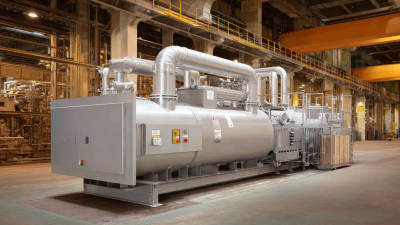
An industrial process heater is a vital piece of equipment used in various manufacturing and production processes to generate and maintain specific temperatures necessary for operations. These heaters are designed to heat fluids or gases that are then utilized in different industrial applications, such as chemical processing, food production, oil refining, and more. By providing controlled heat, these devices enable processes that require precise temperature regulation, ensuring efficiency and safety in operations.
The functioning of an industrial process heater revolves around the transfer of thermal energy to the fluid or gas. The heater typically consists of heating elements that convert electrical energy or fuel into heat, which is then transferred to the medium being heated. The design can vary, with some heaters utilizing convection, conduction, or radiation to achieve the desired temperature. The heated fluid or gas is circulated through a system or directly utilized in production processes, thus making these heaters essential for maintaining optimal conditions for chemical reactions, material treatment, and other industrial functions.
Types of Industrial Process Heaters and Their Applications
Industrial process heaters are essential components in various manufacturing and industrial sectors, designed to provide precise temperature control for a range of applications. There are several types of these heaters, each serving distinct purposes based on the requirements of the processes they support.
One common type is the electric process heater, which utilizes electrical resistance to generate heat. These heaters are often chosen for their efficiency and ability to precisely control temperature, making them suitable for applications in food processing, pharmaceuticals, and chemical manufacturing. Another prevalent variety is the gas-fired heater, known for its high heating capacity and quick heat-up times. These heaters are frequently utilized in industries like oil and gas, where large volumes of heat are required for processes such as crude oil distillation.
Steam boilers also fall under the category of industrial process heaters, generating steam for heating or powering equipment in facilities such as power plants and refineries. Each type of heater has its specific applications, optimized not only for efficiency and energy consumption but also for ease of maintenance and safety in operational settings. This variety ensures that industries can select the most suitable heating solutions to enhance their production processes effectively.
How Industrial Process Heaters Operate Mechanically
Industrial process heaters are vital components in various manufacturing and processing industries, providing the necessary heat to carry out essential operations. These heaters operate mechanically by converting electrical energy or fuel into thermal energy. The process typically begins with the heater ingesting fuel or electrical power, which is then transformed into heat through combustion or resistance heating. This thermal energy is subsequently transferred to the working fluid, often circulating through a heat exchanger, ensuring that the desired temperature is achieved for the processing tasks at hand.
Tips for maintaining industrial process heaters include regular inspections and cleaning to prevent the buildup of debris, which can hinder efficiency. It’s also essential to monitor temperature and pressure readings to catch any potential issues early. Implementing a routine maintenance schedule can significantly extend the lifespan of the heater, reduce energy consumption, and ensure optimal performance.
Furthermore, understanding the specific mechanical components of the heater, such as pumps, valves, and control systems, is crucial for effective operation. Regular training for operators on these components will enhance safety and efficiency, enabling prompt responses to any mechanical failures. Ensuring that safety devices are functioning correctly is also paramount in preventing accidents and ensuring a smooth operational flow.
Key Components of Industrial Process Heaters Explained
Industrial process heaters are essential for various manufacturing and processing applications, providing the heat necessary to facilitate chemical reactions, maintain temperatures, and ensure product quality. Understanding the key components of these heaters is crucial for their efficient operation and maintenance.
At the heart of an industrial process heater is the heating element, which can be electrical or fueled by gas or oil. This element converts energy into heat, which is then transferred to the process fluid or gas through heat exchangers. Insulation is another critical component, as it minimizes heat loss and enhances efficiency. Additionally, temperature control systems, such as thermostats and sensors, monitor the heat output to maintain optimal operating conditions, ensuring safety and consistency in processes.
Tips: Regular maintenance of your industrial process heater can prevent costly breakdowns. Schedule periodic inspections and clean the heating elements to improve efficiency. Furthermore, keeping track of temperature control systems can help identify potential issues before they escalate, ensuring smoother operations. Always consult with a technical expert for troubleshooting to avoid unnecessary downtime.
Benefits of Using Industrial Process Heaters in Manufacturing
Industrial process heaters are vital components in many manufacturing operations, providing the necessary heat to facilitate various industrial processes. The primary benefits of using these heaters in manufacturing are efficiency, cost savings, and improved product quality. According to a report by the U.S. Department of Energy, industrial heating accounts for about 30% of total industrial energy consumption, highlighting the significance of optimizing heating processes. By utilizing advanced industrial process heaters, manufacturers can enhance their thermal efficiency, leading to lower energy consumption and reduced operational costs.
Furthermore, industrial process heaters can greatly improve product quality. Consistent temperature control is crucial in processes such as chemical production, food processing, and metalworking. For instance, a study conducted by the American National Standards Institute (ANSI) found that companies that implemented precise temperature regulation in their manufacturing processes observed a 15% reduction in product defects. This not only boosts the reliability of the end products but also minimizes waste and maximizes production efficiency. Adopting industrial process heaters thus represents a strategic investment for manufacturers aiming to improve their operational performance while maintaining stringent quality standards.
What is an Industrial Process Heater and How Does it Work - Benefits of Using Industrial Process Heaters in Manufacturing
| Feature |
Description |
Benefits |
| Heating Efficiency |
Industrial process heaters provide high thermal efficiency to heat fluids or gases. |
Reduces energy costs and improves process performance. |
| Types |
Includes electric, gas, and oil heaters, each suited for specific applications. |
Flexibility in choosing the right heating solution based on operational needs. |
| Temperature Control |
Advanced control systems for precise temperature management. |
Enhances product quality and consistency. |
| Safety Features |
Equipped with overheat protection, pressure relief, and safety valves. |
Minimizes risks and ensures safe operation. |
| Applications |
Used in industries like oil and gas, chemical processing, and food manufacturing. |
Wide applicability across various sectors boosts productivity. |
Safety Measures for Operating Industrial Process Heaters
Operating industrial process heaters involves significant safety considerations due to the high temperatures and pressures involved in their operation. According to a report from the U.S. Occupational Safety and Health Administration (OSHA), approximately 10% of all workplace fatalities are related to equipment accidents, making safety protocols crucial in industrial settings. One core safety measure is implementing regular maintenance checks to ensure that heaters are functioning correctly, which reduces the risk of equipment failure. According to industry guidelines, routine inspections should include checks for leaks, corrosion, and proper calibration of temperature control systems.
Another essential safety measure involves employing proper training for operators. Studies suggest that over 50% of workplace incidents can be attributed to human error, highlighting the need for comprehensive training programs focused on the safe operation of industrial heaters. Operators should be well-versed in emergency procedures, safety equipment usage, and the functionality of the heater they are managing. Additionally, installing safety interlocks and alarms can act as preventive measures that alert operators to unsafe conditions before they escalate into more severe incidents. Incorporating these safety practices can significantly mitigate risks associated with industrial process heater operations.
Maintenance Tips for Enhancing Heater Efficiency and Longevity
Maintaining an industrial process heater is crucial for ensuring its optimal performance and extending its operational life. Regular maintenance practices can significantly improve heater efficiency. One effective tip is to conduct routine inspections of the heater’s components, including the burners, heat exchangers, and insulation. Cleaning these parts prevents the buildup of dust and debris, which can impede heat transfer and raise energy consumption.
Additionally, checking for leaks in the system can help avoid energy losses and unsafe conditions.
Another key aspect of maintenance is monitoring the heater’s performance metrics such as temperature consistency and fuel consumption. Keeping detailed logs of these parameters can aid in identifying patterns that may indicate potential issues. Furthermore, scheduling periodic professional servicing can provide insights into the heater's condition and ensure that any wear and tear is addressed proactively. Implementing these practices not only enhances the efficiency of the industrial process heater but also ensures it operates safely and reliably in the long term.
Conclusion
Industrial Process Heaters are essential devices used in various manufacturing applications to provide thermal energy for processes that require heating. These heaters come in different types, such as electric, gas-fired, and oil-based, each suited for specific applications like chemical processing, food production, and metalworking. Understanding the mechanical operation of these heaters, including key components such as burners, heat exchangers, and controls, is crucial for efficient usage.
The benefits of using Industrial Process Heaters include improved productivity, consistent heating, and energy efficiency. However, safety measures must be adhered to while operating these heaters to prevent hazards. Regular maintenance is equally important to enhance the efficiency and longevity of the equipment, ensuring reliable performance in demanding environments. By integrating proper operational practices, industries can optimize the effectiveness of their process heating systems.