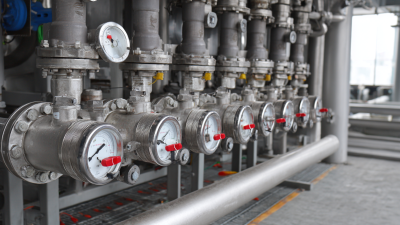
When it comes to industrial settings, safety should always be a top concern, no question. Picking the right heating equipment really can make a big difference. Take the Explosion Proof Immersion Heater, for example—it's built specifically to run safely in those tricky, hazardous environments. These heaters are designed to stop flammable materials from catching fire, which is pretty crucial when lives and stuff are on the line. You’ve gotta trust that they’re reliable, especially in high-risk situations.
Now, there are a bunch of companies out there offering different solutions, but honestly, not all of them are created equal. It’s super important to understand what each product brings to the table—the features, the benefits—and figure out which one actually suits your specific needs. Companies like Thermon and Watlow are kind of the big players right now—they’ve got solid reputations for tech that actually works. Their gear is known for being efficient and long-lasting. But, that doesn’t mean every heater from these brands will fit your particular setup; you really gotta assess your environment carefully.
Choosing an Explosion Proof Immersion Heater isn’t something you should take lightly. Making the wrong call could lead to serious safety issues. Even if you go for a highly-rated product, you still need to pay attention to how you install and maintain it. Every step has its own risks, and overlooking small details can cause big problems down the road. So, taking your time to understand what fits best for you can make all the difference—really, it might be the key to keeping things running smoothly and safely.
Explosion proof immersion heaters are designed for use in hazardous environments. These heaters are vital in industries where flammable substances are present. They ensure safety while effectively heating liquids or materials. In applications like oil refineries or chemical plants, the risk of explosions due to ignition sources is a significant concern. Therefore, choosing the right equipment is critical.
Safety features are key in explosion proof immersion heaters. For instance, they often include robust housing made of materials that withstand extreme conditions. They may also have specialized controls to prevent overheating. Nevertheless, the selection process can be challenging. Not all heaters are suitable for every environment. If the specifications do not align with the application needs, it may compromise safety.
Additionally, ongoing maintenance is crucial for these heaters. Regular checks can identify wear and tear, preventing potential failures. However, such tasks may sometimes be overlooked in busy operational settings. Balancing operational efficiency and safety is not always straightforward. Understanding the specific requirements of different environments can lead to better decisions regarding heating solutions.
Explosion proof immersion heaters play a vital role in ensuring safety in hazardous environments. These heaters are engineered to operate without igniting flammable gases or vapors. One key feature is their robust construction, often utilizing materials that can withstand extreme conditions. This durability helps prevent the risk of explosion in volatile environments.
Another essential aspect is their precise temperature control. This feature allows for safe heating without exceeding critical temperature thresholds. Users can monitor and adjust settings easily. Furthermore, explosion proof immersion heaters include safety mechanisms such as automatic shut-off systems. These systems activate during a malfunction, preventing potential disasters.
Investing in explosion proof heaters requires attention to various factors. Consider temperature ranges and power requirements specific to your application. Not every product is designed for the same environment. Evaluating these details ensures you select the right heater for your needs. It’s important to remain aware that even the best-designed heater can fail if not properly installed or maintained.
Explosion proof immersion heaters are essential in hazardous environments. They work safely by preventing sparks and ensuring efficient heating. Understanding the types of these heaters is crucial for selecting the right solution.
There are several types of explosion proof immersion heaters. The most common ones are flanged heaters and screw-plug heaters. Flanged heaters are great for installations requiring high power. They tend to have a larger surface area, which allows for efficient heating of liquids. Screw-plug heaters are easier to install and service. They are less bulky and often found in smaller tanks.
Tips: When choosing a heater, consider the environment. Temperature extremes can affect performance. Regular maintenance helps prevent malfunctions. It’s vital to ensure worker safety at all times. A thorough risk assessment before installation can also save time and resources. Think about how different designs might influence your heating needs. Simple modifications can lead to improved safety and efficiency.
Safety is crucial when selecting immersion heaters, especially in hazardous environments. These products must meet various safety standards and certifications. These regulations ensure they can operate safely without causing explosions or fires. Organizations such as IEC and UL provide guidelines to certify these systems. Compliance means the heater can be trusted for industrial applications.
When assessing immersion heaters, it is essential to look for specific certifications. These include ATEX, which focuses on equipment used in explosive atmospheres. Similarly, FM Global standards ensure safety in flammable environments. Different regions may have unique certification requirements. Failure to adhere to these can lead to accidents. It is a challenge to keep updated with evolving safety standards.
Even experienced professionals face dilemmas when choosing the right equipment. Not all solutions may fit every requirement. Compromises might be necessary, yet they could jeopardize safety. Continuous improvements and regular checks are vital. Unexpected failures can occur, and preparedness is essential. Finding the right balance between safety and application needs is an ongoing process.
When installing explosion-proof immersion heaters, safety is paramount. Understanding the environment is crucial. Assess the area for potential ignition sources. This involves examining materials, processes, and the presence of flammable substances. Select heaters that meet safety standards. Ensure they are rated for your specific hazardous location. This will help prevent accidents.
Proper mounting and positioning are essential. Immersion heaters should be installed securely to avoid vibrations or movements. Check the installation guidelines carefully. Use certified personnel for installation to maintain safety compliance. Regular inspections are necessary for identifying wear or damage. This requires a routine maintenance plan.
Training is often overlooked. Ensure all personnel understand the operational protocols. They should know how to respond in case of an emergency. Awareness creates a safer work environment. Explosions can have devastating consequences. Take every step to mitigate risks. Adhere to best practices and prioritize safety.
When it comes to explosion-proof immersion heaters, regular maintenance and inspection are critical. Ensuring safety in hazardous environments begins with a vigilant approach to equipment care. Workers must be trained in identifying potential risks. Routine checks can prevent unexpected failures, which can lead to dangerous situations.
**Tips:** Create a checklist for daily inspections. Check for wear and tear, focusing on the wiring and seals. Look for signs of corrosion or damage that could lead to safety issues. Regular thermal imaging can help detect overheating components. This proactive approach saves time and resources.
Establish a maintenance schedule that aligns with operational demands. Short downtimes for inspections can enhance overall safety. Remember, even minor issues can escalate quickly in explosive atmospheres. Sometimes, oversights occur that can jeopardize safety. Embrace continuous learning from inspection failures. Fostering a culture of safety and accountability is essential for effective operation.
| Model | Power Rating (kW) | Temperature Range (°C) | Material | Safety Features | Maintenance Frequency (Months) |
|---|---|---|---|---|---|
| Model A | 9 | -20 to 150 | Stainless Steel | Overheat Protection, IP68 Rating | 6 |
| Model B | 12 | 0 to 200 | Inconel | Explosion Proof, Thermal Cutoff | 12 |
| Model C | 6 | -30 to 100 | Titanium | Low Water Protection, Sealed Junction Box | 8 |
| Model D | 15 | -40 to 220 | Carbon Steel | Pressure Relief Valve, Alarms | 6 |
| Model E | 20 | -20 to 180 | Aluminum | Fail-Safe Design, Ground Fault Protection | 12 |
When selecting an explosion-proof immersion heater, assessing various brands is crucial. The market offers a range of models, each designed with safety and efficiency in mind. Look for heaters that have passed rigorous safety standards. This ensures they can withstand demanding environments while minimizing risks.
Different materials and designs can affect heating efficiency. Some heaters use stainless steel, while others may use high-grade aluminum. Consider the heating capacity and voltage options available. A model's watt density can play a significant role in how quickly it heats up, which impacts overall energy consumption.
Tips: Always read reviews from credible sources. User feedback can highlight potential issues or advantages. Regular maintenance is essential for longevity. Regular checks can prevent unexpected failures and enhance safety. Always consult an expert if unsure about specifications.
: They are used in hazardous environments to safely heat liquids or materials.
They prevent ignition sources in areas with flammable substances, minimizing explosion risks.
Assess the area for potential ignition sources and select heaters that meet safety standards.
Regular checks for wear and tear are essential to prevent failures and ensure safety.
Yes, secure mounting and proper positioning are crucial for maintaining compliance and safety.
Training ensures staff knows operational protocols and how to respond to emergencies.
Common materials include stainless steel and high-grade aluminum for better safety performance.
Reviews can highlight potential issues and advantages, influencing better purchasing decisions.
Consult an expert to ensure you choose the right model for your needs.
Watt density affects how quickly a heater heats up and its overall energy consumption.
Explosion Proof Immersion Heaters are essential solutions for ensuring safety in hazardous environments where flammable materials are present. These heaters are designed with specific features that prevent ignition sources, including robust enclosures and advanced thermal protection. The article outlines the various types available, detailing each heater's unique applications and functionality.
Safety standards and certifications play a crucial role in the deployment of Explosion Proof Immersion Heaters; adherence to these regulations is vital for operational safety. Moreover, proper installation guidelines and best practices for maintenance and inspection are crucial to ensuring the longevity and reliability of these heating solutions. Ultimately, a comparative analysis of the top models helps users make informed decisions while prioritizing safety in their specific applications.