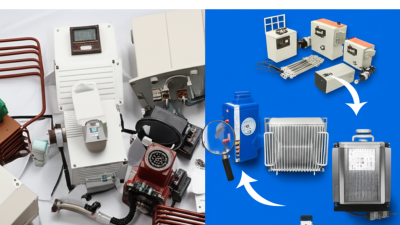
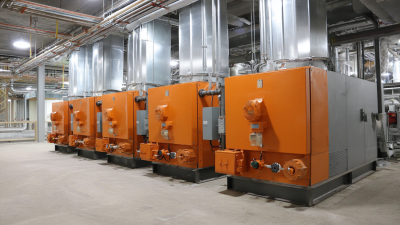
You know, the field of flanged immersion heaters is evolving pretty fast these days. As we get closer to 2025, manufacturers are really leading the charge with some pretty exciting innovations. They're working on new technologies that could make these heaters more efficient and, importantly, more reliable. And honestly, these improvements are a big deal, especially for industries that need tight control over temperature—like certain manufacturing processes or HVAC systems.
But, of course, it's not all smooth sailing. Companies are facing some tough challenges—rising energy prices and stricter environmental rules, to name a few. Overcoming these hurdles definitely calls for some clever thinking. That's why lots of businesses are pouring resources into R&D, trying to find ways to cut down on energy use without sacrificing performance. That said, chasing sustainable solutions isn’t exactly a walk in the park; there are plenty of bumps along the way.
And then there’s the market itself—it's not just after innovation. Customers want good quality but also affordable prices. Striking that balance can be tricky. Manufacturers really need to think carefully about their strategies and how they’re going to meet these changing expectations. By staying flexible and innovative, I think they stand a good chance of staying successful in this fast-moving environment.
As we move into 2025, the flanged immersion heater market is poised for significant growth. Market research estimates indicate a CAGR of 6% over the next five years, driven by advancements in energy efficiency. Many manufacturers are focusing on innovative designs that improve thermal performance and reduce energy consumption.
In recent studies, nearly 70% of industry experts highlight the importance of digital control systems. These systems allow precise temperature regulation, which is crucial for various industrial applications. Additionally, the integration of Internet of Things (IoT) capabilities is becoming a common trend. This connectivity enables real-time monitoring of heater performance, leading to proactive maintenance and reduced downtime.
However, challenges remain. The cost of raw materials has risen sharply, affecting pricing strategies. Some manufacturers admit that achieving a balance between innovation and cost-effectiveness is difficult. Industry reports show that about 40% of companies are still struggling to implement sustainable practices while ensuring competitive pricing. This dichotomy may hinder progress and require manufacturers to rethink their approaches to enhance efficiency without sacrificing affordability.
Flanged immersion heaters are evolving rapidly. These devices play a crucial role in heating liquids efficiently. Innovations in technology are driving performance improvements and energy savings. Many manufacturers are now focusing on better thermal efficiency. This leads to reduced operational costs and environmental impact.
Recent advancements include enhanced sensor integration. Intelligent controls are making it possible to manage temperatures with precision. Digital monitoring systems can alert users to any anomalies. However, the implementation of these systems can be challenging. Technicians need proper training and experience to troubleshoot effectively.
Another area of innovation is material science. New alloys and coatings improve the lifespan of immersion heaters. Resistance to corrosion is a major concern in harsh environments. Some solutions offer better durability but come at a higher cost. Manufacturers must balance price and performance to meet market demands. The ongoing quest for innovation also means continuous testing and refinement is essential.
| Manufacturer | Innovation | Power Rating Range (kW) | Temperature Control Technology | Material Options |
|---|---|---|---|---|
| Manufacturer A | Advanced insulation technology | 5-50 | Digital thermostat integration | Stainless steel, titanium |
| Manufacturer B | Smart IoT-enabled controls | 3-30 | Adaptive temperature regulation | Copper, aluminum |
| Manufacturer C | Eco-friendly heating solutions | 10-100 | Intelligent heating mapping | PTFE, high nickel alloys |
| Manufacturer D | Rapid response heating | 1-20 | Programmable logic control | Carbon steel, Incoloy |
The immersion heater market is witnessing significant changes in 2025. Industry reports project a steady growth rate of about 5.2% annually. This growth is largely driven by energy efficiency demands. Many manufacturers are focusing on developing innovative, eco-friendly technologies. Energy consumption will be reduced, aligning with global sustainability goals.
Additionally, user-friendly designs are becoming a priority. Many units now feature smart controls for easy monitoring. Despite innovations, some products still struggle with reliability issues. Continuous improvements are necessary to meet customer expectations. The competition among manufacturers is leading to advancements, yet certain challenges remain.
The market also sees a rise in customized solutions. Tailored products cater to specific industrial needs. However, the short lifespan of some heaters raises concerns. Users seek durability alongside innovation. These trends indicate that the immersion heater industry is evolving, yet requires further refinement to fully realize its potential. The focus on efficiency and user experience must continue to grow.
In 2025, the landscape of top flanged immersion heaters is evolving rapidly. Efficiency ratings are now more critical than ever. According to the latest industry reports, leading manufacturers are innovating to enhance thermal efficiency. Reports indicate that optimal energy efficiency can reach up to 95% for some new models. However, many existing products still lag, operating around 80%. This discrepancy highlights areas for improvement.
Data from industry analysts indicate a trend towards smarter designs. Advanced materials are being used to improve durability and thermal conductivity. These innovations significantly affect overall efficiency. Yet, not all manufacturers are adapting quickly. A considerable number still rely on older technologies, which may deter energy savings.
Interestingly, user feedback points out inconsistent performance metrics. Customers report variations in heating times and energy consumption. In some cases, performance does not match the advertised efficiency ratings. This inconsistency urges manufacturers to prioritize transparency in their efficiency claims. As the industry moves forward, continuous improvement and adaptation remain essential.
In 2025, flanged immersion heaters are set to evolve with significant advancements. Emerging technologies promise improved efficiency and safety. Designs will focus on better heat transfer rates and lower energy consumption. New materials will enhance durability and reduce maintenance needs. These innovations reshape industries that rely heavily on precise temperature control.
Tips: Consider the environment. Look for heaters that minimize carbon footprints. This helps both your budget and the planet.
Another key trend is the integration of smart technology. Enhanced sensors will provide real-time data. Users can monitor performance through mobile apps. Predictive maintenance features can prevent costly breakdowns. Businesses will benefit from reduced downtime.
Tips: Evaluate the total cost of ownership. Sometimes, higher upfront costs lead to better long-term savings.
As technology advances, some designs may not meet expectations. Companies must keep pace with regulations and safety standards. Continuous improvement is essential. Adaptation will be critical for manufacturers aiming to thrive in a competitive market.
The immersion heater industry is increasingly embracing sustainable practices. This shift is fueled by rising environmental concerns and regulatory pressures. A recent report indicates that over 40% of leading manufacturers are now focusing on energy-efficient designs. This not only reduces carbon footprints but also lowers operational costs for users.
Innovations such as smart heating controls are becoming more common. These systems optimize energy use by adjusting to varying load demands. However, many companies face challenges. Integrating these technologies requires upfront investment and ongoing maintenance.
Moreover, recycling and waste reduction strategies are gaining traction. A significant number of manufacturers are setting targets to recycle up to 80% of their materials by 2025. Yet, achieving these targets remains a struggle. The circular economy model is still not fully embraced. There are gaps in awareness and implementation among smaller enterprises. Addressing these issues is crucial for the entire industry's growth.
The immersion heater market is set for significant growth by 2025. Increasing demand for efficient heating solutions across various industries is a driving force. Innovative designs emerge, focusing on energy efficiency and sustainability. Manufacturers are exploring materials that enhance performance and reduce environmental impact.
Incorporating smart technology is a notable trend. These heaters integrate IoT capabilities, allowing for remote monitoring and control. Real-time data provides insights, enabling users to optimize settings. However, the challenge lies in ensuring cybersecurity as connectivity expands. The need for reliable data protection is crucial.
Furthermore, user safety remains a priority. Enhanced safety features are being developed, such as automatic shut-off mechanisms. Yet, manufacturers must continually evaluate their effectiveness. Each advancement poses new questions about performance and adaptability. The road ahead is filled with potential, but it demands careful navigation.
Flanged industrial electric heaters are a groundbreaking solution for efficient heating in large vessels. When traditional screwplug heaters cannot meet the demands of expansive containers, flanged heaters rise to the occasion. Their design allows for direct immersion in the medium, ensuring uniform heat distribution and maximizing thermal efficiency. This is particularly beneficial for applications where consistent temperature control is crucial, such as in chemical processing or food production.
One of the standout features of flanged heaters is their customizable element designs. This flexibility allows them to adapt to a wide variety of environments, making them suitable for both aggressive and benign mediums. With various element materials and coatings available, these heaters can resist corrosion and degradation, ensuring a long service life even in demanding operational conditions. By positioning the heating elements towards the bottom of the tank, flanged heaters not only optimize heat transfer but also enhance the overall efficiency of the heating process. This innovative technology addresses the challenges faced by industries reliant on large-scale heating solutions, offering reliability and superior performance.
: The article explores effective strategies for enhancing personal productivity.
Prioritize tasks using lists. Focus on one task at a time for better results.
Short breaks boost focus and creativity. They prevent burnout during long work periods.
They can help, but they also distract. Balance is key in using technology.
A messy environment can lead to distraction. Organizing your space helps clear your mind.
Yes, setting clear, achievable goals creates direction. However, be flexible with them for growth.
Multitasking often reduces efficiency. Focus on completing one task at a time for better outcomes.
Regularly review your progress. Celebrate small achievements to maintain motivation.
Lack of sleep harms focus and decision-making. Prioritize rest for optimal performance.
Yes, they can create mental blocks. Practice positive thinking to enhance your workflow.
The article titled "Top Flanged Immersion Heaters Manufacturers in 2025 and Their Innovations" provides a comprehensive overview of the leading manufacturers in the flanged immersion heater industry. It outlines the top 10 manufacturers, highlighting their unique innovations and contributions to the field. Additionally, the article delves into industry trends, analyzing efficiency ratings and emerging technologies that are shaping the future of flanged immersion heater designs.
Moreover, sustainability practices adopted by these top manufacturers are examined, showcasing their commitment to environmental responsibility. The article also projects future growth and innovations within the immersion heater market, providing valuable insights for stakeholders and industry professionals alike. Overall, it serves as an essential resource for understanding the competitive landscape and technological advancements among flanged immersion heaters manufacturers in 2025.