In today’s fast-changing industrial world, you really can’t overlook how important energy efficiency is. I was chatting with John Smith from HeatTech Industries recently, and he mentioned that 'Industrial Flange Heaters play a key role in making sure process temperatures stay just right.' Honestly, that says a lot about how choosing the right heating solution is critical for different kinds of applications.
Industrial Flange Heaters are pretty much a staple in many manufacturing setups. They’re reliable when it comes to heating up fluids and gases in pipelines, helping things run smoothly and safely. But here’s the catch—not all flange heaters are the same. Picking the right one can be a bit tricky, especially because there are so many options out there.
The market’s flooded with different models and designs, which can really make your head spin. It’s not just about what looks good or costs less—things like efficiency, durability, and whether it’s compatible with your setup all matter big time. Every choice you make can impact your overall operations—whether it’s boosting productivity or cutting down on energy bills. At the end of the day, finding that perfect balance between quality and cost is a challenge many businesses face, but getting it right can really pay off.
Industrial flange heaters play a vital role in various sectors. These heaters are designed to provide efficient heating solutions for equipment that requires precise temperature control. Common applications include oil heating, water systems, and chemical processing. Their ability to deliver consistent heat is essential in maintaining process efficiency and safety.
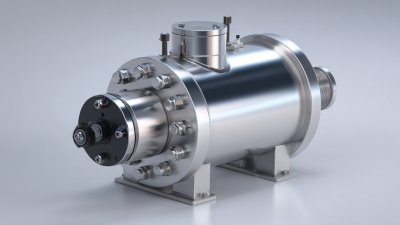
The design of flange heaters is straightforward but effective. They typically feature a heating element framed by a sturdy metal flange. This design allows for easy installation and superior heat transfer to the process fluid. Many industries rely on these heaters to avoid thermal fluctuations that can lead to equipment failure. However, improper installation or inadequate maintenance can lead to inefficiencies.
Despite their effectiveness, users must regularly assess their flange heaters. This involves checking for wear, ensuring proper insulation, and monitoring temperature output. Issues like corrosion or scaling can severely impact performance. Continuous improvement in maintenance practices can enhance the reliability of these systems. Investing time in understanding their operation is equally important for maximizing efficiency.
When selecting flange heaters, several key features should be considered for optimal performance. Safety is paramount. Look for built-in thermal protection to prevent overheating. A good flange heater will include advanced sensors for accurate temperature regulation. This feature helps minimize energy consumption and operational risks while ensuring the unit performs efficiently.
Material construction matters significantly. Flange heaters made from corrosion-resistant materials ensure longevity. Seek models that can withstand harsh industrial environments. Durability will save costs on replacements and repairs. Additionally, consider the heating capacity. It should align with your specific needs to achieve desired results.
Moreover, ease of installation provides a valuable advantage. Some heaters come with clear guidelines, simplifying integration into existing systems. However, not all heaters are intuitive. Users may encounter challenges that require installation expertise. Reflection on this can help in choosing the right product. Monitoring energy efficiency also proves essential. The right heater should balance output with energy consumption, ensuring sustainable operations.
Industrial flange heaters are essential components in many manufacturing processes. These devices provide consistent and efficient heating to various applications, ensuring optimal performance and safety. When selecting a flange heater, several factors come into play, including efficiency, durability, and design.
Brands known for their industrial flange heaters often emphasize innovation and quality. They seek to incorporate advanced materials and technologies in their designs. Look for manufacturers that highlight their engineering expertise and provide clear specifications. This helps in understanding how the heater will perform under specific conditions.
Tips: Always consider the voltage and wattage requirements of your system. Ensure compatibility with your existing equipment. Also, investigate the customer support offered by manufacturers. A responsive support team can make a big difference.
It’s wise to assess the reputation of different brands in the industry. Reviews and case studies often provide insights into real-life performance. However, be careful to note that not all feedback is objective. Balancing various opinions can lead to better decision-making.
When evaluating industrial flange heaters, several factors come into play. These heaters play a crucial role in many industrial processes. Their ability to provide focused heat can enhance efficiency and reduce downtime. The design of these heaters often involves resistance wires or silicone oil, ensuring even heat distribution.
Cost is a primary consideration for many buyers. However, cheaper options may compromise durability. Reliable materials can extend the lifespan of the heater, saving costs in the long term. Efficiency ratings vary widely. Some heaters may heat up faster than others, which affects the overall operation time.
User feedback often highlights installation and maintenance issues. A heater that is difficult to install can lead to costly delays. Regular maintenance requirements can become a burden for teams. It is essential to assess how easy it is to clean and maintain a heater before purchasing. A thorough analysis can help avoid unexpected challenges in the future. Each buyer should weigh these factors carefully to ensure they choose the right heater for their needs.
When installing industrial flange heaters, precise alignment is key. The heater must fit snugly against the flange surface. This ensures even heat distribution and maximizes efficiency. Using a proper mounting technique can prevent overheating in certain areas. If the heater moves during operation, it can lead to uneven heating and potential damage.
Regular maintenance is critical for optimal performance. Inspect the heater for any signs of wear and tear at least once a month. Check for proper electrical connections, as loose wires can cause fluctuations in temperature. Cleaning the surface of the heater regularly helps prevent the buildup of debris that may affect heat transfer.
Be mindful of the environment around the heater. Dust and moisture can interfere with performance. If you notice any changes in heating patterns, investigate immediately. Small issues can escalate quickly if ignored. Ensure your team is trained on both installation and maintenance procedures. This knowledge is crucial for the longevity of the equipment.
| Model | Power (W) | Temperature Range (°C) | Material | Install Type | Maintenance Frequency |
|---|---|---|---|---|---|
| Model A | 1500 | -30 to 200 | Stainless Steel | Flanged | Quarterly |
| Model B | 2000 | -20 to 250 | Aluminum | Clamp-On | Biannual |
| Model C | 1000 | 0 to 180 | Carbon Steel | Welded | Monthly |
| Model D | 2500 | -10 to 300 | Stainless Steel | Flanged | Quarterly |
| Model E | 1200 | -20 to 220 | Aluminum | Clamp-On | Yearly |
| Model F | 1800 | -15 to 260 | Carbon Steel | Welded | Biannual |
| Model G | 1600 | -25 to 240 | Stainless Steel | Flanged | Quarterly |
| Model H | 1400 | -10 to 200 | Aluminum | Clamp-On | Yearly |
| Model I | 1300 | -5 to 230 | Carbon Steel | Welded | Monthly |
| Model J | 2200 | -20 to 290 | Stainless Steel | Flanged | Quarterly |
Industrial flange heaters play a vital role in many manufacturing processes. Their efficiency can directly impact operational costs. A recent report from the Manufacturing Technology Association states that businesses can save up to 30% on energy expenditures by utilizing modern flange heaters. This reduction is significant for organizations looking to improve their bottom line.
However, the initial investment in high-quality flange heaters can be a concern. Costs for premium units can exceed $5,000. While the upfront price tag is daunting, the long-term savings on energy and maintenance should not be overlooked. Data indicates that businesses often recoup their investment within 18 months due to reduced energy bills and improved productivity.
Not all flange heaters deliver the same performance. Selecting the wrong heater can lead to inefficiencies. This often results in higher operational costs and longer downtime. A Cost-Benefit Analysis can be helpful here. This approach allows organizations to weigh the initial costs against potential savings. Businesses need to make informed choices based on reliable data. In an age of rising energy prices, a careful assessment is essential.
This chart displays the cost-benefit ratios of the top 10 industrial flange heaters. A higher ratio indicates a more favorable balance between cost and benefits, helping businesses make informed decisions about their heating solutions.
As industrial processes evolve, flange heating technology is adapting to meet new demands. Reports indicate the global flange heater market is expected to grow at a CAGR of 8% through 2027. This growth highlights increasing reliance on efficient heating solutions in industries such as oil and gas, chemical processing, and manufacturing.
Future trends will likely focus on energy efficiency and smart technology integration. In a recent study, nearly 70% of industry leaders prioritized energy-efficient solutions. The shift toward eco-friendly heating methods is evident as firms aim to reduce carbon footprints. Additionally, advancements in IoT are expected to significantly enhance monitoring capabilities. Predictive maintenance features could prevent downtime and extend equipment life.
Despite the positive trends, challenges remain. Some manufacturers struggle with the high initial costs of advanced flange heaters. Additionally, the need for skilled personnel to operate and maintain these technologies can create barriers. However, addressing these concerns can pave the way for a more sustainable and efficient industrial heating landscape.
: They provide efficient heating solutions for oil heating, water systems, and chemical processing.
They feature a heating element surrounded by a sturdy metal flange for easy installation and heat transfer.
Regular checks prevent issues like corrosion, ensuring consistent performance and efficiency.
They can save businesses up to 30% on energy expenses, impacting the bottom line positively.
It helps organizations compare initial costs against potential long-term savings to make informed choices.
Focus on energy efficiency, smart technology integration, and predictive maintenance are key trends.
High initial costs and the need for skilled personnel can be significant barriers to adoption.
Investing time in understanding their operation and conducting regular assessments improves reliability.
Improper installation may lead to inefficiencies and potential equipment failures over time.
Nearly 70% focus on energy-efficient and eco-friendly methods to reduce their carbon footprints.
Industrial flange heaters are essential devices used in various industrial applications to efficiently heat pipes, tanks, and other equipment. This article provides a comprehensive overview of industrial flange heaters, highlighting their applications and the key features to consider when selecting them. It also presents a comparative analysis of the best flange heaters available in the market, focusing on performance, efficiency, and durability.
Additionally, the article offers valuable installation and maintenance tips to ensure optimal performance of industrial flange heaters. A cost-benefit analysis is discussed, making it clear why investing in these heaters can be advantageous for businesses. Lastly, the article explores future trends in heating technology, suggesting advancements that could enhance the functionality and efficiency of industrial flange heaters moving forward. Overall, understanding these factors can help global buyers make informed decisions when selecting industrial flange heaters for their operations.