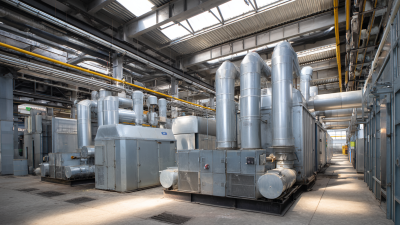
In today’s fast-moving industrial world, keeping temperatures just right is super important for smooth processes and top-notch product quality. Industrial Process Heaters are pretty much the unsung heroes in so many fields—whether it's food processing or chemical production—they’re what heat things up for all sorts of tasks. As companies look for ways to cut energy costs and get things done more efficiently, choosing the right heater becomes a pretty big deal.
In this article, we’re diving into the top 10 Industrial Process Heaters that are not only built to perform well but also focus on saving energy and being reliable. Each one highlights cool tech and thoughtful design, tailored to fit the unique needs of various industries. We’ll take a closer look at things like heating power, energy use, and how flexible they are to operate—aiming to help you, the professional, make smarter choices that match your specific process needs.
Whether you're thinking about upgrading your current setup or investing in brand new heating equipment, getting a good handle on what makes a great Industrial Process Heater will help you boost thermal management and run things more smoothly. So, stick with us as we check out some of the best options out there today!

Overview of Industrial Process Heaters and Their Applications
Industrial process heaters play a vital role in a variety of manufacturing and production processes across many sectors, including chemical processing, food and beverage production, and oil and gas. According to a report by MarketsandMarkets, the global industrial heaters market is expected to grow from USD 5.9 billion in 2021 to USD 8.2 billion by 2026, indicating a significant demand for efficient heating solutions. These heaters are designed not only to provide reliable heat but also to enhance energy efficiency and ensure optimal temperature control within processes that require precise thermal management.
Typically, industrial process heaters are categorized into several types, including electric heaters, gas heaters, and thermal fluid heaters, each suited for specific applications. Electric heaters are often favored in processes where space is limited, while gas heaters are popular in larger operations due to their higher heating capacities. Thermal fluid heaters, on the other hand, allow for the efficient circulation of heated fluids, making them ideal for applications requiring consistent heat over extended periods. A study from the American Society of Mechanical Engineers noted that efficient temperature control can enhance product quality and reduce energy costs, emphasizing the importance of selecting the right heater for specific industrial applications.
Key Factors for Selecting Efficient Temperature Control Systems
When selecting efficient temperature control systems for industrial process heaters, it is crucial to consider several key factors that impact overall performance and energy efficiency. One of the most significant elements is the heater's thermal efficiency, which can vary widely among different types. According to a report by the U.S. Department of Energy, improving thermal efficiency in industrial heating processes can lead to energy savings of up to 30%. This highlights the importance of selecting heaters that not only meet operational temperature requirements but also optimize energy use.
Another vital factor is the control system's responsiveness and accuracy. Effective temperature control is essential to maintaining product quality and ensuring safety in various applications. Advanced control systems, such as proportional-integral-derivative (PID) controllers, can provide precise temperature regulation and significantly enhance process reliability. The International Energy Agency notes that implementing smart control technologies can further reduce energy consumption by 10-15%, making them a key consideration in system selection.
Additionally, compatibility with existing infrastructure and materials is essential. A report from the National Renewable Energy Laboratory emphasizes that heaters designed for easy integration and adaptability can minimize downtime and installation costs. As industries increasingly prioritize sustainability and operational efficiency, evaluating these factors allows for informed decisions that enhance the performance and reliability of temperature control systems.
Types of Industrial Process Heaters: Electric, Gas, and Oil
Industrial process heaters play a crucial role in maintaining optimal temperature conditions across various manufacturing processes. Among the most common types are electric, gas, and oil heaters, each offering unique advantages suited to different applications.
Electric heaters are known for their precise temperature control and quick heating capabilities. They are especially beneficial in environments where space is limited, as they tend to have a compact design. Additionally, electric heaters are typically cleaner and safer, producing no emissions or combustion gases.
Gas heaters, on the other hand, are favored for their efficiency and ability to generate high temperatures rapidly. They are commonly used in industries that require large-scale heating, such as metalworking and chemical processing. The availability of natural gas as a fuel source can also contribute to lower operational costs. However, gas heaters do require proper ventilation and safety measures to manage combustion products effectively.
Oil heaters serve as a reliable option in situations where high temperature and consistent thermal output are essential. They are often employed in industries such as food processing and pharmaceuticals, where maintaining a specific temperature range is critical. Oil heaters can offer excellent energy efficiency and thermal stability, although they may require more maintenance than electric or gas alternatives. Each type of industrial process heater brings specific strengths, making it essential for businesses to choose the right system based on their unique heating needs and operational goals.
Top Features to Consider for Optimal Temperature Regulation
When selecting an industrial process heater, several key features should be prioritized to ensure optimal temperature regulation. Firstly, the heater's thermal efficiency is crucial. A high-efficiency heater reduces energy consumption and operating costs, making it an environmentally friendly and economical choice. Look for heaters with advanced insulation materials and design to minimize heat loss during operation.
Another important aspect is the control precision of the heater. Precise temperature control systems allow for accurate adjustments to maintain the desired process temperature, reducing the risk of overheating or underheating, which can adversely affect product quality. Additionally, consider the range of temperature settings available, as a flexible system can adapt to different processes and requirements.
Tips: Regular maintenance of your industrial process heater can significantly enhance its efficiency and lifespan. Schedule routine checks for any signs of wear or malfunction. Moreover, investing in a heater that integrates well with automation systems can provide real-time monitoring and control, ensuring that temperature fluctuations are managed proactively. This can lead to improved productivity and consistent product output.
Comparative Analysis of Leading Industrial Process Heaters
The industrial heating sector has undergone significant advancements, leading to the development of process heaters that offer improved energy efficiency and precise temperature control. A comparative analysis of leading industrial process heaters reveals that electric heaters, due to their straightforward design and minimal maintenance requirements, are gaining preference in sectors demanding high precision, such as pharmaceuticals and semiconductor manufacturing. According to a report from the International Energy Agency (IEA), industrial heating accounts for approximately 30% of global energy demand, underscoring the importance of selecting efficient heating solutions that can not only reduce energy consumption but also lower operational costs.
Moreover, the adoption of advanced technologies such as infrared and induction heating is transforming traditional heating practices. These methods provide quicker heat-up times and better energy utilization. A study by the U.S. Department of Energy indicates that using induction heating can enhance efficiency by up to 90% in metal processing applications compared to conventional methods. Furthermore, the integration of smart technology in process heaters allows for real-time monitoring and optimization of heating parameters, leading to enhanced productivity and reduced emissions. As companies strive to meet sustainability goals, the shift towards these innovative technologies is becoming crucial in the quest for more efficient industrial heating solutions.
Top 10 Industrial Process Heaters for Efficient Temperature Control - Comparative Analysis of Leading Industrial Process Heaters
| Model |
Heating Method |
Power Output (kW) |
Temperature Range (°C) |
Efficiency (%) |
Applications |
| Model A |
Electric |
100 |
20 - 250 |
95 |
Plastics, Chemicals |
| Model B |
Gas-fired |
150 |
50 - 300 |
90 |
Textiles, Food |
| Model C |
Steam |
200 |
30 - 400 |
85 |
Metals Processing |
| Model D |
Induction |
250 |
100 - 600 |
92 |
Foundries, Glass |
| Model E |
Thermal Oil |
180 |
20 - 350 |
88 |
Chemical, Pharmaceutical |
| Model F |
Radiant |
120 |
60 - 350 |
94 |
Wood, Paper |
| Model G |
Convection |
130 |
50 - 300 |
91 |
Automotive, Aerospace |
| Model H |
Microwave |
80 |
20 - 250 |
96 |
Food, Packaging |
| Model I |
Heat Pump |
160 |
10 - 250 |
89 |
HVAC, Refrigeration |
| Model J |
Solar |
150 |
20 - 300 |
85 |
Renewable, Heating |
Energy Efficiency Ratings and Their Importance in Heater Selection
When selecting industrial process heaters, energy efficiency ratings play a crucial role in ensuring optimal performance and cost-effectiveness. These ratings help buyers understand how much energy a heater consumes relative to its output. Higher efficiency ratings indicate that a heater converts a larger percentage of energy into usable heat, ultimately leading to reduced operating costs and lower environmental impact. As industries strive for sustainability and compliance with regulatory standards, understanding these ratings can guide the choice of equipment that aligns with both operational goals and environmental responsibilities.
Tips for maximizing energy efficiency when choosing industrial process heaters include assessing the specific heating needs of your operation. Consider factors like the required temperature range, the type of processes involved, and peak demand periods. Additionally, investing in heaters that offer advanced controls can enhance efficiency; features like programmable thermostats and smart interfaces allow for fine-tuning based on actual demand rather than fixed settings.
Another key consideration is regular maintenance to sustain energy efficiency over time. Schedule routine inspections and cleanings to prevent buildup that can hinder performance. Keeping heaters in prime condition not only extends their lifespan but also ensures they continue operating at optimal efficiency, further reducing energy consumption and costs.
Top 10 Industrial Process Heaters for Efficient Temperature Control
Future Trends in Industrial Process Heating Technology
As industries increasingly seek to optimize efficiency and reduce emissions, future trends in industrial process heating technology are poised to transform conventional practices. One significant trend is the integration of advanced materials and designs in heaters. These innovations are designed to enhance thermal efficiency and durability, such as the use of high-performance insulating materials that minimize heat loss, allowing for more precise temperature control and lower energy consumption.
Another important development is the shift toward renewable energy sources in heating applications. As sustainability becomes a focal point in industrial operations, many companies are exploring the use of electrification, biofuels, and solar thermal energy to replace traditional fossil fuels. This transition not only addresses environmental concerns but also aligns with global initiatives for cleaner production methods. Furthermore, the implementation of smart technologies and automation is revolutionizing monitoring and control systems within heating processes. Smart sensors and predictive analytics enable real-time adjustments and maintenance, fostering not only efficiency but also enhanced reliability and safety in operations.
Exploring the Impact of Industrial Flow Heaters on Efficiency in Thermal Process Applications: Insights from Recent Market Reports
The efficiency of thermal process applications is significantly influenced by the type of heating technology implemented. Industrial flow heaters have emerged as a vital component in enhancing operational efficiency, particularly in environments where precise temperature control is essential. These heaters are designed to provide direct heating to fluids as they flow through, minimizing heat loss and ensuring uniform temperature distribution. By rapidly heating fluids to the desired temperature, flow heaters can drastically reduce processing times, leading to increased productivity in manufacturing and other industrial applications.
Recent market reports highlight the growing demand for industrial flow heaters, driven by their ability to optimize energy usage and reduce operational costs. These devices are not only energy-efficient but also versatile, making them suitable for a wide range of thermal processes across various industries, including food processing, chemical manufacturing, and oil and gas. The integration of advanced technologies in flow heaters allows for enhanced control systems, facilitating real-time monitoring and adjustments. As industries continue to seek efficient solutions to reduce their carbon footprint and lower energy expenses, the implementation of industrial flow heaters may prove to be a strategic investment in their operational framework.
FAQS
: Industrial process heaters are essential in various manufacturing and production processes, providing reliable heat and enhancing energy efficiency. They play a crucial role in sectors like chemical processing, food and beverage production, and oil and gas.
The global industrial heaters market is projected to grow from USD 5.9 billion in 2021 to USD 8.2 billion by 2026, indicating a significant demand for efficient heating solutions.
The main types of industrial process heaters are electric heaters, gas heaters, and thermal fluid heaters, each designed for specific applications and varying heating requirements.
Electric heaters offer precise temperature control, quick heating capabilities, and are beneficial in space-limited environments due to their compact design. They are also cleaner and safer, producing no emissions or combustion gases.
Gas heaters are favored for their efficiency and ability to generate high temperatures rapidly, making them suitable for industries like metalworking and chemical processing. They can also contribute to lower operational costs when natural gas is used.
Oil heaters are often used in industries such as food processing and pharmaceuticals, where maintaining a specific temperature range is critical, providing excellent energy efficiency and thermal stability.
Key factors include thermal efficiency, control system responsiveness and accuracy, and compatibility with existing infrastructure. These factors ensure optimal performance and energy efficiency in industrial heating processes.
Smart control technologies can reduce energy consumption by 10-15% and enhance process reliability through precise temperature regulation, making them a vital consideration when selecting temperature control systems.
Thermal efficiency is crucial because improving it can lead to energy savings of up to 30% in industrial heating processes, emphasizing the need to select energy-efficient heaters.
Electric and gas heaters typically require less maintenance compared to oil heaters, which may necessitate more regular upkeep to ensure optimal performance, especially in high-temperature applications.
Conclusion
Industrial process heaters play a crucial role in various applications across manufacturing and production industries, ensuring precise temperature control for optimizing processes. In selecting efficient temperature control systems, key factors include energy efficiency ratings, type of fuel source (electric, gas, or oil), and essential features for optimal temperature regulation.
This article delves into the different types of industrial process heaters, analyzing leading options in the market while emphasizing the importance of energy efficiency in the selection process. Additionally, it highlights current trends and technologies shaping the future of industrial process heating, aiding organizations in making informed decisions for their heating needs and contributing to overall operational efficiency.