When you're trying to pick the right industrial flange heater, getting some expert advice can really make a difference. I remember John Smith, a well-known engineer over at HeatTech Solutions, once said, 'Choosing the right heater is super important for both system efficiency and safety.' That little quote just highlights how crucial it is to make an informed choice here.
Figuring out the specs and features of these heaters can feel kind of overwhelming. Things like watt density and what material they’re made of really matter when it comes to performance. The marketplace is full of options, but not every one is a perfect fit for every job, so it can be a bit tricky to navigate.
Plus, understanding your specific needs makes the whole process easier. An industrial flange heater needs to not only work well but also meet safety standards. If you pick the wrong one, you might end up with inefficiencies or even safety hazards. So, taking your time to evaluate your options is pretty much necessary to get the best results.
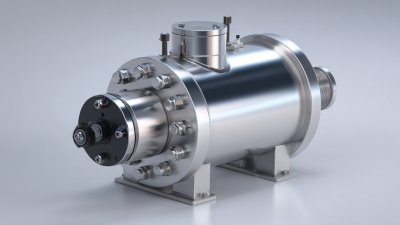
Industrial flange heaters serve a crucial role in various applications. They provide efficient heating for fluids and gases in pipelines. Understanding their purpose helps in selecting the right model for specific needs.
These heaters are designed to fit onto flanges, creating a tight seal. They heat the fluids directly, which improves efficiency. Proper heating prevents issues like freezing in cold environments or ensuring optimal viscosity. It's vital to consider the temperature range and compatibility with your materials.
When choosing a flange heater, it's essential to reflect on the required temperature and pressure ratings. Overestimating needs can lead to inefficient operation. Underestimating may cause system failures. Each industrial environment is unique. Taking the time to evaluate your specific requirements can prevent costly mistakes.
When choosing an industrial flange heater, it’s crucial to identify the specific requirements of your heating application. Understanding watt density is vital. High watt densities can lead to overheating, while low densities may not provide adequate heat. Reports indicate that optimal watt densities for industrial applications typically range between 10 to 30 watts per square inch. This can vastly influence efficiency and equipment safety.
Another essential specification is the operating temperature. Many materials have specific heat tolerance levels. If a heater is too powerful, it could damage sensitive components. Research suggests that materials such as PVC can deform at temperatures above 140°F, making it crucial to choose a heater that aligns with the thermal limits of your application.
Power supply is another factor to consider. Compatibility with your current system ensures reliability. Many industrial heaters operate on three-phase power, but single-phase options are also available. Data shows that around 65% of industrial facilities use three-phase systems. However, the decision should reflect your facility’s unique infrastructure and energy consumption patterns. Continual assessment of these specifications can significantly impact productivity and equipment lifespan, reducing downtime and maintenance costs.
Choosing the right industrial flange heater requires careful consideration of material compatibility. The components in contact with the heater should be compatible with the materials being heated. If the materials react negatively, it can lead to equipment failures or inefficiencies.
When evaluating material compatibility, think about the environment in which the heater will operate. Certain materials may degrade under high temperatures, while others might corrode when exposed to specific chemicals. Using non-reactive materials can enhance the durability of your flange heater. Inspection of both the flange and heater materials is crucial to prevent unforeseen issues.
Additionally, it’s important to consider the thermal expansion rates of different materials. Different metals expand at different rates when heated. This can lead to stress and potential cracking if incompatible materials are used together. Regular reviews of material specifications can improve overall performance. Seek advice from experts when in doubt. Compatibility checks ensure a more reliable and efficient heating solution.
When selecting an industrial flange heater, assessing heating efficiency is vital. A heater’s efficiency directly impacts energy consumption and operational cost. You can estimate efficiency by examining the watt density. Higher watt density generally means quicker heating but may lead to uneven temperatures. Understanding your specific heating requirements allows for better decision-making.
Power requirements are equally essential. Ensure the heater can meet the demands of your application without overloading the system. Calculate the necessary power based on the material being heated and the desired temperature rise. Inadequate power can cause delays or poor performance.
Choosing the right heater also involves considering the installation process. Sometimes, complex setups can lead to inefficiencies. A simple, more straightforward design might be beneficial despite initial appearances. Always factor in maintenance needs as well; a high-maintenance heater can offset its initial benefits. Balancing all these factors requires careful consideration and experience in the field.
When choosing an industrial flange heater, installation and maintenance are crucial aspects to consider. Proper installation ensures not only optimal performance but also safety. It’s essential to follow the manufacturer's guidelines closely. Having a clear plan can prevent common mistakes, such as incorrect placement or inadequate support structures. Check the mounting surfaces and ensure they are clean and durable. Proper alignment is key to prevent wear and tear.
Maintenance best practices require regular inspection of the heaters. Look for signs of wear, like corrosion or insulation damage. Establish a routine that includes checking electrical connections and testing the controls. Identify any unusual sounds during operation; these could indicate underlying issues. Additionally, think about how easy it is to access the heater for repairs. A tight or complex installation might lead to shortcuts in maintenance. Stay proactive to enhance the lifespan of your flange heater. Both installation and maintenance are about making informed choices.
When selecting an industrial flange heater, safety features are paramount. Reports from the Industrial Heating Equipment Association highlight that up to 30% of heating system failures result from inadequate safety measures. Understanding these features can improve operational efficiency and reduce risks.
One key area is temperature control. Effective heaters should possess robust thermal regulation systems that prevent overheating, with some designed to shut down when exceeding safe limits. Additionally, insulation materials should resist high temperatures and provide adequate protection to surrounding equipment. Reliable insulation can decrease energy loss by 20% according to the U.S. Department of Energy.
Another critical aspect of safety is compliance with industry standards. Heaters must adhere to guidelines set by organizations like the National Electrical Manufacturers Association (NEMA). This compliance ensures equipment can withstand various operating conditions. Regular maintenance checks also play a vital role in identifying potential issues before they escalate. Neglecting maintenance can lead to unpredicted failures, compromising both safety and production. Thus, thorough evaluations of safety features are essential.
When selecting an industrial flange heater, one critical aspect is comparing various brands and manufacturers. Industry reports from sources like Research and Markets highlight that the global heating equipment market is projected to grow steadily, emphasizing the importance of reliable products. Various manufacturers focus on unique features. Some prioritize energy efficiency, while others emphasize high-temperature capabilities. Knowing what is essential for your application is key.
Evaluating the performance metrics and user feedback can provide insight into a brand's reliability. A recent survey indicated that approximately 65% of users prefer manufacturers that offer extensive warranties. However, brand reputation can be misleading; some lesser-known companies may provide innovative solutions at competitive prices. It’s worth exploring all options.
Alongside performance, consider customer support and service terms. Data from industry reports show that 50% of customers encounter issues needing assistance. Evaluate how brands handle technical support. Transparency in their processes can indicate their commitment to customer satisfaction. Sometimes, a less reputable brand may surprise you with exceptional service, while more established names falter in responsiveness. Each choice has trade-offs and deserves careful consideration.
When selecting an industrial heater, particularly a 440V 90KW model, it's crucial to understand the specific needs of your business. The flanged immersion elements stand out as a versatile option, ideal for heating oils, liquids, and gases in substantial volumes. These process heaters are designed to deliver reliable performance across various applications, whether you are in manufacturing, chemical processing, or food production.
One of the key advantages of using flanged immersion heaters is their availability in a wide range of sizes and outputs. This adaptability allows businesses to choose a heater that not only meets their current production demands but also scales with their growth. The heaters can be customized to fit into different systems, ensuring efficient heat transfer while maintaining safety standards. Understanding the operational environment and the specific characteristics of the substances being heated can greatly enhance your selection process, resulting in optimal efficiency and performance for your operations.
: Watt density affects heating performance. High densities may cause overheating, while low densities may lead to insufficient heat.
Optimal watt densities usually range from 10 to 30 watts per square inch for efficiency and safety.
Operating temperature must match material tolerance. High temperatures can deform sensitive materials like PVC.
PVC can deform at temperatures above 140°F, so choose a heater accordingly.
Compatibility ensures reliability. Most industrial heaters use three-phase power; however, assess your facility’s energy needs.
Follow guidelines closely. Ensure surfaces are clean and durable. Proper alignment is crucial to avoid wear.
Inspect for corrosion and check electrical connections. Establish a routine for testing controls to identify issues early.
Complex installations can hinder maintenance. Ensure accessibility to avoid neglecting essential checks.
Look for corrosion, insulation damage, or unusual noises during operation to indicate potential issues.
Regular upkeep enhances heater lifespan and reduces downtime and maintenance costs over time.
When selecting the right Industrial Flange Heater, it is crucial to understand its primary function in your heating application. Begin by identifying specific requirements such as temperature ranges and heating capacity to ensure optimal performance. Material compatibility must also be assessed to prevent any adverse reactions with the flange heater components, enhancing durability and effectiveness.
Moreover, evaluate heating efficiency and power requirements to ensure that the heater meets operational needs while optimizing energy consumption. Consideration of installation and maintenance practices can prolong the lifespan of the heater, while a review of safety features and standards ensures compliance with industry regulations. By comparing different products available in the market, you can make an informed decision that best suits your industrial heating needs.