0%

So what actually makes a China Explosion Proof Industrial Heater different? It's built to provide controlled heat in places where flammable gases, vapors, or dust might be hanging around. And no, it's not just a beefed-up electric heater. The enclosure, terminals, heating elements, and temperature controls all have to work together as one safety system. Even the small design details matter.

Dr. Zhang Wei, a senior hazardous-area heating engineer at Jiangsu Yufeng Electrical Heating Technology Co., Ltd., puts it plainly: “Explosion protection starts with controlling every possible ignition source—heat, sparks, loose connections, all of it.” That’s not just a nice line. It reflects what happens in the real world. A heater can look tough and well-built, but bad cable glands or weak temperature control can create real weaknesses. That point is worth pausing on.

This article walks through how a China Explosion Proof Industrial Heater works, where it's usually used, and which technical features you should look at carefully. Common applications include chemical processing areas, oil and gas facilities, paint rooms, storage zones, and outdoor equipment shelters. Stainless steel housings, certified thermostats, sealed wiring, and surface-temperature limits can all improve reliability—and help make maintenance safer, too.

That said, no heater is automatically right for every hazardous location. You have to consider site classification, ambient temperature, dust conditions, power supply, and installation practices together. This is where buyers sometimes rush. A low purchase price can hide higher inspection and maintenance costs later. Even experienced teams can miss a small mismatch. Good documentation still matters.

The discussion ahead focuses on engineering logic, practical selection, and dependable operation. It won't treat certification as a replacement for professional assessment. Safety is never really finished. It needs review—again and again.

What Is a China Explosion Proof Industrial Heater?

What Is a China Explosion Proof Industrial Heater?

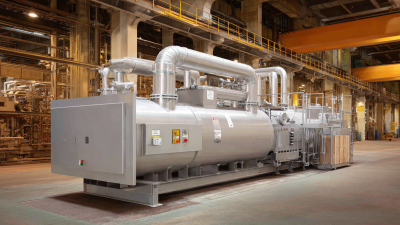
A China explosion proof industrial heater is a heating unit manufactured in China for hazardous industrial environments. Its enclosure limits sparks, flames, and excessive surface temperatures. These heaters may use electric elements, air circulation fans, or controlled oil systems.

The phrase itself is incomplete. The correct selection depends on the hazardous area classification, gas or dust group, temperature class, heating capacity, and enclosure rating. For example, a dusty workshop may require different protection from a solvent storage room. A heater rated for gas hazards is not automatically suitable for combustible dust.

Look closely at the nameplate and technical file. It should show voltage, power, ambient temperature, protection method, and certification details. Independent inspection records also matter. Qualified technicians should check cable glands, grounding, airflow, and mounting clearances before operation. Small gaps can become serious weaknesses.

Real sites are less tidy than drawings. Dust collects around vents, and voltage may fluctuate during winter startup. A heater can pass a factory test and still be unsuitable for a poorly maintained room. I would confirm local certification requirements before ordering. That step is easy to overlook.

How Does an Explosion Proof Industrial Heater Work?

A China explosion proof industrial heater is designed for areas where flammable gas, vapor, or dust may be present. It is not simply a stronger heater. Its enclosure, wiring, and heating elements are engineered to reduce ignition risks during operation.

How does it work? The heater converts electrical energy into controlled heat through sealed resistance elements. A fan may move air across finned tubes or an enclosed heat exchanger. The warmed air then circulates through the work area. In many designs, a thermostat monitors temperature and limits unnecessary heating. Protective cut-outs can stop the unit when airflow falls or internal temperatures rise too far.

The enclosure is important. If an internal fault creates a spark or pressure, the housing helps contain it. Special joints and cable entries also limit flame or hot gas from reaching the surrounding atmosphere. However, the heater does not make every hazardous location safe. Engineers must match its temperature rating, protection level, power supply, and installation method to the site conditions.

Real workplaces are rarely perfect. Dust can collect, filters can clog, and sensors can drift. Regular inspection matters. A damaged cable gland may weaken the entire protection system. The user should also verify technical certificates, maintenance instructions, and local installation requirements before operation. Even a well-designed heater can become unsafe when poorly installed.

Which Hazardous Environments Require This Type of Heater?

A China explosion-proof industrial heater is designed for areas where flammable gas, vapor, or dust may ignite. Its enclosure limits sparks and controls surface temperature. Internal wiring, terminals, sensors, and heating elements must suit the specified hazardous-area classification. Manufacturing origin alone does not prove safety. The technical certificate, test records, and installation instructions matter more.

Petrochemical plants often need this heater near fuel tanks, transfer lines, and pump stations. Solvent rooms and paint-spraying areas may also require it. Vapors can collect around floor drains, door thresholds, or poorly ventilated corners. Gas-processing facilities face similar risks, especially during cold starts and maintenance work. Some warehouses handling combustible dust need special designs as well. Dust may settle on hot surfaces. That detail is easy to miss.

The correct heater depends on the gas or dust group, temperature class, zone, ambient temperature, and required heating load. A site survey should check ventilation, vapor release points, dust accumulation, and emergency shutdown access. The heater should not block escape routes or sit where forklifts can damage its enclosure. A qualified engineer should confirm local electrical rules before installation. Regular inspection is practical, not optional. Look for damaged cable glands, loose covers, corrosion, and blocked air passages. In my experience, selection errors often begin with a simple assumption: one heater fits every hazardous room. It does not. Conditions change, and the original assessment may need revisiting.

What Is a China Explosion Proof Industrial Heater? - Which Hazardous Environments Require This Type of Heater?

Data Dimension Verified Information Typical Hazardous Environment Important Heater Requirement
Definition An explosion-proof industrial heater is heating equipment designed to prevent its electrical, thermal, or mechanical components from igniting a surrounding flammable atmosphere when installed and used within its certified limits. Industrial areas where flammable gas, vapor, liquid, dust, or fibers may be present. The complete heater assembly, accessories, wiring method, and installation must match the hazardous-area classification.
Primary purpose To provide controlled space heating, process-air heating, freeze protection, or equipment-temperature maintenance while limiting ignition risks. Process buildings, storage rooms, workshops, equipment shelters, and outdoor process areas. Use temperature controls, independent over-temperature protection, and suitable enclosures or certified protection methods.
Flammable gas and vapor areas These areas can contain ignitable gas or vapor released during normal operation, maintenance, leakage, or abnormal events. Fuel handling, solvent processing, paint operations, chemical production, gas treatment, and petroleum-related facilities. The heater must be approved for the applicable gas group, area classification, ambient temperature range, and maximum surface-temperature limit.
Combustible dust areas Suspended or accumulated combustible dust can ignite if exposed to a sufficiently hot surface, arc, spark, or other ignition source. Grain handling, food processing, woodworking, plastics, pharmaceuticals, metals, and powder-processing facilities. The enclosure should limit dust ingress, remain maintainable, and keep exposed surfaces below the specified dust ignition temperature.
Combustible fibers and flyings Loose fibers or flyings may accumulate around electrical equipment and create an ignition hazard. Textile mills, cotton processing, fiber storage, and facilities handling similar combustible materials. Select equipment with suitable enclosure protection, surface-temperature control, and ingress protection for the operating conditions.
North American Class and Division system Class I covers flammable gases or vapors; Class II covers combustible dust; Class III covers ignitable fibers or flyings. Division 1 indicates a hazard may exist during normal operation or frequent maintenance; Division 2 indicates it is normally confined and may appear under abnormal conditions. Facilities classified under the National Electrical Code or related local regulations. The heater marking must correspond to the required Class, Division, group, temperature code, voltage, and installation method.
IEC Zone system For gases and vapors, Zone 0 means continuous, long-term, or frequent presence; Zone 1 means likely presence during normal operation; Zone 2 means unlikely during normal operation and short-lived if it occurs. For dust, the corresponding designations are Zones 20, 21, and 22. Facilities using IEC-based or ATEX-based hazardous-area classifications. Choose equipment with certification suitable for the exact Zone, gas or dust group, protection concept, and temperature class.
Temperature class For common gas classifications, T1 permits a maximum surface temperature of 450°C, T2 300°C, T3 200°C, T4 135°C, T5 100°C, and T6 85°C. Locations containing gases or vapors with known or specified ignition temperatures. The heater’s maximum surface temperature must be lower than the applicable ignition-temperature requirement, with the required safety margin defined by the governing standard.
Common heating methods Typical designs include explosion-protected electric air heaters, finned tubular heaters, circulation heaters, and certified fan-forced heaters. Air heating, tank heating, pipe freeze protection, control-room heating, and process-temperature maintenance. Select the heating method according to heat load, airflow, process fluid, available power, required control accuracy, and hazardous-area rating.
Enclosure protection The enclosure protects internal components from the surrounding atmosphere and may use a certified explosion-containment, increased-safety, dust-protection, pressurization, or other recognized protection method. Wet, dusty, corrosive, outdoor, or washdown-prone industrial locations. Ingress protection, corrosion resistance, grounding, cable entries, and drain or breather arrangements must suit the site conditions.
Control and protection devices Reliable control commonly includes a thermostat, temperature sensor, high-limit cut-out, airflow interlock where applicable, and circuit protection. Facilities requiring unattended operation or stable temperature control. Safety devices should be independent where required and must not be bypassed during normal operation.
Certification and compliance Depending on the market, equipment may need certification under systems such as IECEx, ATEX, or North American hazardous-location requirements. Export projects and facilities governed by national, regional, or site-specific electrical codes. Certification must apply to the actual heater model and configuration, not merely to a similar product family.
When this type of heater is required It is required when a formal hazardous-area assessment identifies a credible flammable gas, vapor, dust, fiber, or flying hazard near the proposed heating equipment. Classified process areas, hazardous storage spaces, fuel-transfer zones, and dust-handling locations. The final selection should be confirmed by a qualified engineer using the site classification, chemical data, heat-load calculation, and applicable regulations.
When it may not be required A standard industrial heater may be suitable only where the area is formally assessed as non-hazardous and no flammable atmosphere is expected under the operating conditions. Ordinary industrial rooms without classified gas, vapor, dust, fiber, or flying hazards. Do not assume an area is safe based only on ventilation or low material usage; consult the site hazardous-area documentation and local code requirements.

What Are the Main Components and Safety Features?

What Is a China Explosion Proof Industrial Heater?

A China explosion-proof industrial heater is designed for hazardous industrial areas where flammable gas, vapor, or dust may exist. Its main purpose is controlled heating without exposing nearby materials to ignition sources. In practice, the heater must match the site classification, temperature requirements, and environmental conditions.

The core assembly usually includes sealed heating elements, a rugged metal enclosure, terminal connections, and a temperature controller. Cable glands protect entry points from moisture and dust. A grounding terminal provides a controlled path for electrical faults. Many units also use an over-temperature switch that disconnects power when internal heat rises too far. Small details matter.

A reliable design also manages surface temperature. The outer casing should remain within the permitted temperature range for the surrounding atmosphere. Internal spacing, insulation, and heat distribution help reduce hot spots. Installers should inspect seals, fasteners, wiring, and grounding before operation. Condensation can enter during storage or rapid temperature changes, so visual checks are still necessary.

Safety depends on the complete system, not the heater alone. The power supply, control panel, ventilation, and mounting position must work together. A heater may pass a basic inspection yet perform poorly in heavy dust or constant vibration. That possibility deserves attention. Maintenance records should include insulation tests, connection checks, thermostat verification, and signs of corrosion. Certification and installation practices must follow the requirements applicable to the operating location.

What Heating Methods and Power Options Are Available?

A China explosion proof industrial heater is built for areas where flammable gas, vapor, or dust may exist. Its enclosure limits ignition risks and protects internal electrical parts. In practice, safety starts with the heating method, not the nameplate. Electric resistance elements provide direct, steady heat for air or process equipment. They are simple, but their surface temperature needs careful control. Air convection heaters warm workshops, cabinets, and enclosed process rooms evenly. Infrared heaters transfer heat directly to people, surfaces, or materials. They respond quickly and can reduce heat loss in open spaces. Choose carefully.

For tanks or pipelines, circulation heaters can warm moving liquids through an external chamber. Immersion heaters work inside compatible liquids, but they require correct material selection and level protection. Power options commonly include single-phase and three-phase supplies, with voltage selected for the local electrical system. Typical industrial ratings range from a few kilowatts to much larger custom capacities. The correct size depends on airflow, insulation, starting temperature, and required heating time. More power is not always better.

A frequent design mistake is choosing power from room size alone. Process heat loss can be higher than expected, especially near doors or metal walls. I would recheck the calculation. Reliable units should include thermostatic control, overtemperature protection, grounding, and clear certification for the intended hazardous location. Installation should follow the equipment documentation and involve qualified personnel. Even a well-built heater can become unsafe when wiring, airflow, or maintenance is overlooked.

How to Select, Install, and Maintain the Right Model?

What Is a China Explosion Proof Industrial Heater?

An explosion proof industrial heater is designed for hazardous areas where flammable gas, vapor, or dust may exist. Its enclosure limits ignition risks from sparks, hot surfaces, and electrical faults. However, “explosion proof” does not mean suitable for every site. Selection must match the classified zone, gas or dust group, temperature class, heating capacity, and enclosure rating.

The International Energy Agency reports that industry uses about 37% of global final energy. Heating efficiency therefore affects both operating cost and emissions. In practice, engineers should calculate heat loss from walls, doors, ventilation, materials, and start-up conditions. A heater sized only by floor area may underperform. I have seen cold corners appear after production changed, even when the original calculation looked correct. Check the required voltage, control method, airflow, and maximum surface temperature. Installation should follow IEC 60079 principles, applicable Chinese standards, and the site’s approved hazardous-area drawings. Qualified professionals must verify cable glands, grounding, clearances, and protection settings before energizing.

Tips: Keep the heater clear of dust buildup and stored materials. Inspect terminals, seals, fans, and temperature sensors on a scheduled basis. Record insulation resistance and operating temperature trends. Replace damaged seals early. Small defects grow quickly. Review the selection after any process change, because a safe design can become unsuitable when ventilation, chemicals, or production loads change.

What Is a China Explosion Proof Industrial Heater? - How to Select, Install, and Maintain the Right Model?

Select an explosion-proof industrial heater whose certified maximum surface temperature is below the ignition temperature of the hazardous atmosphere. IEC/ATEX temperature classes range from T1 at 450°C to T6 at 85°C; a lower T-class number permits a higher surface temperature. Installation must follow the certified enclosure, hazardous-area classification, wiring, grounding, and clearance requirements. Before maintenance, isolate and lock out power, allow the heater to cool, inspect seals and terminals, and replace damaged certified parts only.

415V 10KW Explosion-Proof Industrial Electric Heater: Safe, Efficient Heating for Hazardous Environments

A 415V 10KW explosion-proof industrial electric heater provides controlled, efficient heating for demanding industrial processes and hazardous environments. Designed for applications where combustible gases, vapors, or dust may be present, it uses a sealed, robust construction to help reduce the risk of ignition during operation. Its high-power output supports fast and stable temperature increases, while accurate controls can help maintain the required process temperature and improve energy efficiency.

This type of heater is suitable for warming lubricating oil before it enters machinery, helping the oil reach the proper flow characteristics for reliable equipment operation. It can also support heating systems for tanks, vessels, and process lines. When installed with suitable temperature sensors, protective devices, and professional electrical connections, the heater can provide dependable performance with improved operational safety. In cold conditions, related electric heating solutions can be applied to pipes and equipment to reduce the risk of freezing, blockages, and downtime. Proper installation, grounding, ventilation, and regular inspection are essential for safe use in any hazardous industrial area.

FAQS

What is a China explosion-proof industrial heater?

It is a heater manufactured in China for hazardous industrial environments. Its enclosure limits sparks, flames, and excessive surface temperatures. It may use electric elements, fans, or controlled oil systems. Manufacturing origin alone does not prove suitability.

Which environments may require this type of heater?

Solvent rooms, fuel areas, paint-spraying spaces, and gas-processing facilities may require it. Some combustible-dust warehouses need special protection too. Dust can settle around vents and hot surfaces. Conditions vary between rooms.

Can one heater serve every hazardous area?

No. Gas hazards and combustible-dust hazards may require different protection. Selection depends on the zone, gas or dust group, and temperature class. A heater suitable for gas is not automatically suitable for dust. It does not fit everywhere.

Which technical details should buyers check?

Check voltage, power, ambient temperature, protection method, enclosure rating, and certification details. Review the nameplate and technical file carefully. Independent inspection records can provide useful evidence. Small gaps matter.

What heating methods are commonly available?

Electric resistance elements provide steady, direct heat. Convection heaters warm rooms, cabinets, and enclosed process areas. Infrared heaters transfer heat to people, surfaces, or materials. Circulation heaters can warm moving liquids. Immersion heaters require compatible liquids and level protection. Choose carefully.

How should the heater’s power be selected?

Calculate heat loss, airflow, insulation, starting temperature, and required heating time. Room size alone is not enough. Doors, metal walls, and winter startup can increase heat demand. More power is not always better.

What electrical supplies and controls may be used?

Units may use single-phase or three-phase power. Voltage must match the local electrical system. Useful features include thermostatic control, overtemperature protection, and grounding. Cable glands and terminals also need inspection.

What should technicians inspect before operation?

Qualified technicians should check grounding, cable glands, airflow, mounting clearances, and enclosure condition. Confirm that escape routes remain clear. Inspect for corrosion, loose covers, blocked passages, and forklift damage. I would confirm local certification requirements before ordering. That step is easy to overlook.

Conclusion

A China Explosion Proof Industrial Heater is a specially designed heating system for workplaces where flammable gases, vapors, dust, or fibers may be present. Unlike ordinary heaters, it uses sealed electrical enclosures, controlled surface temperatures, and protective construction to reduce the risk of ignition. The heater transfers warmth through methods such as electric resistance, air circulation, or radiant heating, with power options selected according to the area size, temperature requirements, and available electrical supply.

These heaters are commonly used in storage areas, processing facilities, workshops, and other classified hazardous environments. Key components may include heating elements, thermostats, temperature sensors, rugged housings, certified cable entries, and automatic overheat protection. Selecting the right model requires evaluating the hazardous-area classification, heating capacity, operating conditions, installation location, and control requirements. Professional installation should follow applicable safety standards, while regular inspections, cleaning, connection checks, and functional testing help maintain reliable and safe performance.

Aria

Aria

Aria is a dedicated professional marketing specialist at Weineng, a cutting-edge enterprise renowned for its expertise in manufacturing explosion-proof electric heaters. With a rich background in design, production, and commissioning, Aria possesses an exceptional level of knowledge regarding the......
Previous China Top Industrial Air Heaters Factory for Global Buyers