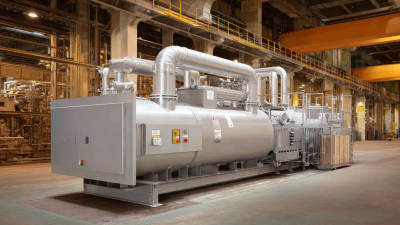
Picking the right Industrial Tubular Heater really can make a big difference when it comes to efficiency across different industries. I mean, a report from MarketsandMarkets predicts that the global industrial heating market will hit around $12.2 billion by 2026, so clearly, there's a huge demand for solid heating solutions. These heaters are super important in sectors like food processing, chemical production, and metal treatment — basically everywhere you need reliable heat.
I spoke with John Smith, who’s an expert in thermal tech over at HeatTech Solutions. He said, “Choosing the right heater type is key for getting the best performance and saving energy.” Honestly, that’s a pretty common issue in the industry — a lot of folks don’t pay enough attention to details like watt density or whether the materials match the application, which can end up causing mishaps and costing a lot more in the long run.
And let’s not forget about reliability. If you pick the wrong tubular heater, it might give out way too soon, messing up your production schedule. So, making the right choice isn’t just about specs — it’s about really understanding your specific needs and environment. By keeping all these things in mind, businesses can dodge costly mistakes and actually get more done efficiently.
Industrial tubular heaters play a vital role in various sectors, providing essential heating solutions. They are used in processes like fluid heating, surface heating, and even temperature maintenance. According to a recent market report, the global market for industrial tubular heaters is projected to grow at a CAGR of 4.9% from 2021 to 2028. This growth reflects an increasing demand for efficient heating solutions.
Understanding the various types of tubular heaters is crucial. For example, most heaters are available in different materials like stainless steel, Incoloy, and copper. Each material serves specific use cases and environments. Manufacturers often cite efficiency as a critical factor, with reports showing that high-quality tubular heaters can operate at efficiencies exceeding 90%. However, they require regular maintenance to sustain that efficiency over time.
Selecting the right heater involves assessing parameters like watt density, temperature range, and installation options. Factors like local regulations and safety standards may also influence the choice. It's worth noting that not all industrial tubular heaters perform alike. Some units may underperform if improperly matched to their application. This highlights the importance of a thorough evaluation before making a selection—ensuring you meet both operational and safety requirements is essential for successful application.
When selecting an industrial tubular heater, understanding the key factors is essential. One critical aspect is the heater's power rating. Generally, tubular heaters range from 100W to 10kW. Choosing the right wattage aligns with your specific heating needs. For instance, environments requiring rapid heating may need higher wattages. The optimal thermal efficiency is crucial, as low-efficiency heaters can lead to increased operational costs.
Another significant consideration is the material composition. Tubular heaters are often made from stainless steel or other alloys. Stainless steel offers excellent corrosion resistance, which prolongs lifespan. According to industry reports, the material can improve service life by up to 30% in certain applications. Moreover, operating environments vary. Some may involve high humidity or corrosive substances. In such cases, the right material choice can prevent premature failure.
Temperature control capabilities should not be overlooked. Many modern tubular heaters come with advanced control systems. These systems ensure precise temperature regulation, enhancing safety and efficiency. However, not all systems are equal. It’s vital to assess how well they perform under varying load conditions. Research indicates that improperly calibrated heaters can lead to overheating or inadequate heating, affecting performance and safety.
Industrial tubular heaters come in various types, each suited for different applications. The most common types include immersion heaters, flange heaters, and band heaters. Immersion heaters are often used in tanks or containers. They effectively heat liquids and are ideal for processes requiring precise temperature control. Flange heaters are designed for applications involving heavier liquids or gases. Their robust construction allows for excellent thermal conductivity.
Band heaters, on the other hand, are usually employed in heating cylindrical objects. They are widely used in plastics, food, and chemical industries. Each type offers unique advantages and can significantly impact efficiency. The choice depends largely on the specific needs of your application.
When selecting an industrial tubular heater, consider the material being heated and desired temperature range. Reflect on how each heater type affects operational efficiency. Not every application is straightforward, and sometimes the perfect fit isn't apparent at first. It's important to weigh these factors, ensuring the heater aligns with your operational goals.
When selecting an industrial tubular heater, understanding power requirements is crucial. The power needed directly impacts performance. Typically, heaters are rated in watts or kilowatts. Consider the area you need to heat and the desired temperature. More power means faster heating, but it can also lead to higher energy costs.
Tips: Calculate the space volume by multiplying length, width, and height. This value helps determine the wattage needed. For example, a larger space requires a more powerful heater. Assess insulation levels as well. A well-insulated area retains heat better, potentially allowing for a lower wattage.
Do not overlook safety aspects. Ensure wattage matches the electrical supply. Overloading outlets can cause hazards. Also, review guidelines on heater placement. Incorrect installation may lead to inefficient heating.
Do remember, not every heater suits every application. The required wattage might vary widely due to specific needs. Regularly review your heating needs as conditions change. An assessment may reveal that your current setup isn't ideal.
When selecting an industrial tubular heater,
material compatibility plays a crucial role.
Different materials exhibit varying thermal and chemical resistance.
For instance, stainless steel is often preferred for its
durability and resistance to corrosion, especially in harsh environments. However,
not all applications suit stainless steel. If you're heating
corrosive liquids, a different alloy might be
more appropriate.
Consider the heating medium and the environment. For water,
materials like copper and brass
may be effective, but they do corrode. Using
silicone rubber for flexible applications offers
good insulation but may not withstand high temperatures. There's always a balance to
strike. You might find a material that works exceptionally well for one application
but fails in another due to unexpected reactions.
Conduct thorough research and testing. Sometimes what
seems like a perfect match can lead to failures. Consult with industry experts if
you're unsure. Their insights can help you navigate the complexities of material
properties. Each component you choose influences the overall efficiency and safety
of your heater, making material selection a critical aspect
of the process.
When selecting an industrial tubular heater, temperature control options play a crucial role. Various control types influence the efficiency and effectiveness of your heating system. You can choose between simple manual controls and advanced digital systems. Manual systems are often cheaper but may lack precision. Digital systems can provide accurate temperature regulation but often come at a higher cost.
Consider the environment in which the heater will operate. If the heater is placed in a fluctuating temperature zone, a digital control may help maintain a consistent output. However, you need to ensure that your workforce can operate these complex systems. Training might be required, adding to overall costs.
Reliability and safety are also paramount. A poorly regulated heater can lead to overheating or inefficient performance. Regular maintenance is essential, as a neglected control system can become less effective over time. Assessing the specific needs of your operations will allow you to choose a control system that balances efficiency, user-friendliness, and reliability. Making an informed decision is key to maximizing both productivity and safety in your industrial heating processes.
| Heater Type | Temperature Range (°C) | Wattage (W) | Material | Control Options | Efficiency Rating |
|---|---|---|---|---|---|
| Standard Tubular Heater | 20 - 150 | 500 - 3000 | Stainless Steel | Thermostatic | 85% |
| High-Density Heater | 30 - 200 | 1000 - 6000 | Copper | PID Controller | 90% |
| Flexible Tube Heater | 10 - 120 | 250 - 1500 | Silicone | Digital Thermostat | 88% |
| Immersion Heater | 0 - 100 | 300 - 4000 | Titanium | Mechanical Thermostat | 80% |
When considering tubular heaters, maintenance and durability are key factors. Regular cleaning can extend the life of these heaters significantly. Dust and debris can accumulate on the heating elements, reducing efficiency. A damp cloth is often enough to keep surfaces clean. For tougher grime, gentle detergents work wonders.
The type of material used in the heater impacts its lifespan. High-quality metals resist corrosion and wear more effectively. Often overlooked, insulation should also be assessed. Poor insulation can lead to energy loss. This not only affects performance but also increases operational costs. Check for signs of wear or damage periodically.
Reflect on the heating environment. Factors like humidity and temperature fluctuations influence durability. If a heater struggles in extreme conditions, maintenance becomes more critical. Track performance trends to identify potential issues early. A proactive approach can save both time and resources. Regular checks and thoughtful practices contribute to long-lasting performance.
Finned tubular heaters are instrumental in maximizing efficiency and performance in industrial applications, primarily through their innovative design and construction. These heaters utilize a robust tubular element at their core, with fins that are intricately spiral wound around the surface. This design significantly enhances the convective surface area, which is critical for effective heating of air and non-corrosive gases. The carefully selected fin spacing and size ensure optimal thermal performance, allowing facilities to achieve higher wattage levels without overheating, ultimately extending the lifespan of the heating elements.
In addition to standard applications, finned heaters are adaptable to various industrial conditions, including high temperatures and corrosive environments. For such scenarios, stainless steel fins wound securely on an alloy sheath can be implemented to provide added durability and performance. Moreover, considerations like vibration, toxic, and flammable media during installation are essential to ensure safe and efficient operation. To further enhance the longevity and reliability of these heaters, protective coatings are available for applications exposed to mildly corrosive or high humidity environments, ensuring that systems operate efficiently under challenging conditions. These features position finned tubular heaters as a superior choice for industries seeking to optimize heating efficiency and performance.
: Wattage affects heating needs. Higher wattage suits environments needing rapid heating.
Materials like stainless steel resist corrosion. This can improve service life by 30% in some applications.
Low-efficiency heaters increase operational costs. High efficiency reduces energy waste and helps save money.
Good temperature control ensures safety and efficiency. Poor regulation can cause overheating or inadequate heating.
Manual controls are cheaper but less precise. Digital systems offer accuracy but can be more complicated.
High humidity or corrosive areas require specific materials. Proper choice prevents premature failures in harsh conditions.
Digital systems may need training for staff. Consider additional costs when assessing overall efficiency.
Neglected systems become less effective over time. Regular checks ensure reliability and consistent performance.
Calibrated heaters may overheat or underperform. This affects safety and can lead to operational issues.
Inappropriate material choices may lead to early failure. Understanding the environment helps avoid such mistakes.
When selecting the best Industrial Tubular Heater for your specific needs, it is essential to understand the fundamental aspects of these heaters, including their various types and applications. Key factors to consider include power requirements, material compatibility, and temperature control options, which all play a critical role in ensuring optimal performance and efficiency.
In addition, assessing maintenance and durability is crucial to guarantee long-term reliability and effectiveness of the heating solution. By carefully evaluating these considerations, you can make an informed decision that aligns with your operational requirements, leading to enhanced productivity and cost-effectiveness in your industrial applications.