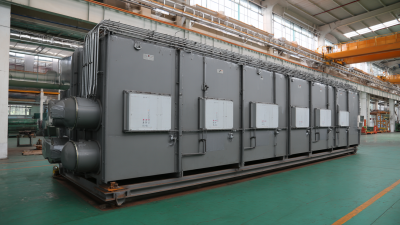
Industrial process heaters are a pretty big deal in many industries, honestly. They provide that crucial warmth needed for stuff like manufacturing and refining. Picking the right heater isn’t just about ticking a box—it can really make a difference in how efficient your operations are and the quality of your final product. The tricky part, though, is that with so many options out there, it can feel overwhelming for buyers trying to find the best fit.
In this article, we’re diving into the top 10 industrial process heaters available worldwide. We’ve looked at everything—performance, energy efficiency, and how reliable they are during everyday use. Big names like Thermon and Watlow have definitely earned their reputation, but don’t overlook some of the lesser-known brands—they might actually surprise you with innovative solutions.
To really get it right, you’ve got to stay on top of the latest tech and environmental rules that keep changing. It’s all about understanding your specific needs and operational constraints. Choosing the right heater isn’t just about boosting productivity; it’s also a smart move for making your operations more sustainable. At the end of the day, making an informed choice sets your business up for future success—and that’s what really matters.

Overview of Industrial Process Heaters in Global Markets
Industrial process heaters play a vital role in various sectors, including manufacturing, petrochemicals, and food processing. These heaters are essential for maintaining efficient operations. They provide the necessary heat for processes that require specific temperature ranges. In global markets, the demand for these heaters continues to rise due to increasing industrialization.
Different types of heaters serve specific applications. Some are designed for high-temperature environments, while others are tailored for more moderate needs. This variation can create confusion for buyers trying to make the right choice. It is essential to understand the specific requirements of each process. Factors like energy efficiency, heating capacity, and safety regulations also come into play.
It’s crucial to consider the environmental impact as well. Many companies are now focused on sustainability and reducing emissions. This shift is reflected in the evolving designs and technologies of process heaters. However, the balance between efficiency and environmental responsibility is still a work in progress. Different regions may have varying regulations, which can complicate global compliance.
Key Applications for Industrial Process Heaters in Various Industries
Industrial process heaters are vital across diverse sectors, driving efficiencies and productivity. Their applications span the chemical, food and beverage, and oil and gas industries. According to a recent industry report, the global market for industrial heaters is projected to surpass $5 billion by 2025. This growth reflects the increasing demand for precise temperature control in manufacturing processes.
In the chemical industry, heaters are crucial for maintaining optimal reaction conditions. They enable techniques like distillation, which require consistent heat. For food processing, heaters ensure proper pasteurization and drying, crucial for food safety and quality. The oil and gas sector relies on heaters to facilitate refining processes. Each application requires a specific type of heater, underscoring the need for tailored solutions.
Tip: Always assess the specific requirements of your application when selecting a heater. Regularly monitoring performance can lead to unexpected efficiency gains. Identifying the correct heater for your processes can significantly reduce downtime and energy consumption. Failing to do so may result in costly operational inefficiencies, which can be avoided with careful analysis.
Top Features to Consider When Selecting Industrial Process Heaters
When selecting the right industrial process heater, several key features must be considered. The heating medium is vital. Options like electric, gas, or steam each have unique advantages. Industry reports show that electric heaters are increasingly favored due to their efficiency and lower environmental impact. However, gas heaters still dominate sectors requiring high-temperature outputs.
Energy efficiency stands out as another critical factor. A more efficient heater can drastically reduce operational costs. The U.S. Department of Energy notes that industrial heaters account for about 30% of energy consumption in manufacturing. Choosing heaters with high thermal effectiveness is essential.
Tip: Evaluate your specific application needs. The heater's capacity must align with the required heat output.
Safety features also play a pivotal role. Overheating and pressure controls are critical to prevent hazards. According to safety standards, regular maintenance is necessary for sustained reliability.
Tip: Consider heaters equipped with advanced monitoring systems. These can alert operators to potential issues before they escalate.
Assessing the materials used in the heater's construction is crucial as well. High-quality materials prolong the lifespan of the heater. Regularly review the performance metrics of your selected heater against your operational goals. This ensures continuous improvement and adaptation to changing conditions.
Comparison of Different Types of Industrial Process Heaters
When selecting industrial process heaters, it’s crucial to understand the different types and their applications. The main types include electric, gas-fired, and infrared heaters. Each has unique features catering to specific industrial needs. For instance, electric heaters offer precise temperature control, ideal for sensitive processes. Conversely, gas-fired heaters are more energy-efficient for larger operations.
A recent report by the International Energy Agency (IEA) indicates that industrial heating accounts for nearly 30% of global energy consumption. This highlights the importance of choosing the right heater for energy efficiency. Infrared heaters, often used for curing and drying processes, can deliver energy savings of up to 60%. Their ability to heat surfaces directly can expedite production rates.
Tips: Assess the energy source availability in your region. This can influence the cost-effectiveness of your heater choice. Also, consider the maintenance requirements; it varies significantly among heater types. Regular maintenance can ensure optimal performance, prolonging the heater's lifespan. Stay informed about technological advances to make better decisions. Adjusting your heating processes as technology evolves can lead to notable savings.
Top 10 Industrial Process Heaters for Global Buyers
| Heater Type |
Power Range (kW) |
Temperature Range (°C) |
Fuel Type |
Efficiency (%) |
Applications |
| Electric Heater |
10 - 1000 |
0 - 400 |
Electricity |
90 - 95 |
Industrial heating, Oil & Gas |
| Gas-Fired Heater |
50 - 2000 |
50 - 700 |
Natural Gas |
85 - 90 |
Metallurgy, Manufacturing |
| Oil-Fired Heater |
100 - 1500 |
200 - 800 |
Fuel Oil |
80 - 88 |
Chemical Processing, Food Industries |
| Steam Heater |
200 - 3000 |
50 - 400 |
Steam |
90 |
Power Generation, Food Processing |
| Induction Heater |
5 - 500 |
200 - 1000 |
Electricity |
95 |
Metal Heating, Welding |
| Infrared Heater |
10 - 500 |
50 - 400 |
Electricity |
85 - 90 |
Surface Drying, Curing |
| Heat Transfer Fluids Heater |
100 - 3000 |
180 - 400 |
Hot Oil |
90 |
Chemical, Textile Industry |
| Thermal Fluid Heater |
100 - 6000 |
60 - 300 |
Gas, Oil, Electricity |
92 - 95 |
Plastic, Rubber, Food |
| Batch Heater |
20 - 1000 |
50 - 400 |
Electricity, Gas |
85 |
Culinary, Processing |
| Convection Heater |
5 - 500 |
30 - 300 |
Electricity, Natural Gas |
80 - 85 |
Space Heating, HVAC |
Leading Manufacturers and Brands of Industrial Process Heaters
In the industrial sector, process heaters play a crucial role. They provide consistent heat, ensuring optimal operation in various applications. With numerous manufacturers in the market, recognizing the leading brands is essential for buyers. These brands specialize in innovative technologies and high-efficiency systems, catering to diverse industrial needs.
Quality and reliability are vital when selecting a process heater. Many manufacturers emphasize durability and energy efficiency. This focus can lead to long-term savings and lower environmental impact. However, the overwhelming options can lead to confusion. It’s important for buyers to weigh between cost, performance, and service support.
Some brands may promise high performance but fail in practical applications. User reviews often reveal discrepancies between marketing claims and actual performance. Some heaters can be over-engineered, leading to unnecessary expenses. Prospective buyers should conduct thorough research and seek expert opinions. Understanding the unique needs of specific industries can help narrow down choices and enhance decision-making.
Top 10 Industrial Process Heaters - Performance Comparison
This chart displays the efficiency of the top 10 industrial process heaters, showcasing their performance metrics. Each bar represents a different heater, indicating its efficiency percentage in the heating process.
Emerging Trends and Innovations in Industrial Heating Technologies
Emerging trends in industrial heating technologies reveal a shift towards energy efficiency and sustainability. According to a report by MarketsandMarkets, the global industrial heating equipment market is projected to reach $30 billion by 2026, growing at a CAGR of 5.7%. This growth is driven by strict environmental regulations and the demand for lower operational costs.
Innovations in heater design are also noteworthy. Induction heating, for example, ensures quick heating with minimal energy loss. A study from Grand View Research highlights that induction heating reduces energy consumption by up to 30% compared to traditional methods. Meanwhile, advances in materials, such as ceramic and composite heaters, provide better thermal stability and durability. However, these innovations raise questions about installation costs and the learning curve required for effective adoption.
Automation and smart technologies are reshaping industrial heating. The integration of IoT allows for real-time monitoring and control. This connection can lead to optimal performance but also introduces vulnerabilities in cybersecurity. A report by McKinsey emphasizes the importance of robust security measures in these advancements to mitigate potential risks. As the industry moves forward, balancing innovation with security remains a critical challenge for global buyers.
Factors Influencing the Global Demand for Industrial Process Heaters
The global demand for industrial process heaters is shaped by several key factors. Energy efficiency is a primary concern for manufacturers. As energy costs rise, companies seek heaters that minimize consumption. This shift encourages innovation in heater technology. Efficiency can reduce operational costs significantly.
Another important factor is the need for a reduction in greenhouse gas emissions. Regulations and policies worldwide advocate for cleaner manufacturing processes. Industries are forced to adapt, pushing for eco-friendly heating solutions. Such changes often require initial investment but can lead to long-term savings.
Market dynamics also play a role. Economic growth in various regions increases production needs. As sectors expand, the demand for effective heating solutions rises. However, fluctuations in the global economy can lead to uncertainty. Companies must balance immediate needs with future trends. This complex landscape challenges buyers as they navigate their choices in process heating.
Optimizing Industrial Efficiency with ATEX Certificated Process Heaters for Hazardous Environments
In hazardous industrial environments, maintaining optimal temperatures for various processes is essential for efficiency and safety. ATEX certified process heaters, also known as fired heaters, are specifically designed to operate in these challenging conditions where flammable gases or dusts may be present. Their certification ensures that they meet stringent safety standards, minimizing the risk of ignition and allowing industries to operate smoothly while adhering to safety regulations.
Process heaters play a critical role in keeping liquids like water, oil, and chemicals at stable temperatures. By doing so, they facilitate various industrial applications, including heating, mixing, and stabilizing gases. The heating process must be managed meticulously; even the slightest malfunction can lead to significant operational disruptions or safety hazards. Hence, investing in ATEX certified heaters not only enhances operational efficiency but also reinforces a safety-first approach in potentially dangerous settings.
Employing advanced technology, these heaters are engineered to deliver reliable and precise heat within a liquid medium. Their design considers the complex nature of hazardous environments, ensuring that they can perform effectively while reducing the likelihood of accidents. This focus on optimized performance makes ATEX certified process heaters a vital component in the quest for industrial efficiency without compromising on safety.
FAQS
: The main types include electric, gas-fired, and infrared heaters. Each serves different industrial needs.
Electric heaters provide precise temperature control. This feature is crucial for processes requiring accuracy.
Gas-fired heaters are more energy-efficient. They can handle the heating demands of larger setups effectively.
Infrared heaters can deliver up to 60% in energy savings. They heat surfaces directly, improving production rates.
Buyers should consider energy source availability. This factor greatly influences cost-effectiveness of their heater choices.
Maintenance requirements vary among heater types. Regular upkeep can enhance performance and prolong lifespan.
The overwhelming options can cause confusion. It's important to balance cost, performance, and service support.
User reviews often highlight discrepancies. Some heaters may be over-engineered, leading to higher expenses.
Factors like energy efficiency and greenhouse gas regulations drive demand for better heating solutions.
Economic growth increases production needs. This leads to a higher demand for effective heating solutions in various industries.
Conclusion
Industrial Process Heaters play a crucial role in various industries, providing the necessary heat for processes such as manufacturing, chemical reactions, and food processing. This article explores the global market for these heaters, highlighting their key applications across multiple sectors. When selecting Industrial Process Heaters, factors such as energy efficiency, temperature control, and safety features are paramount.
Moreover, the article examines different types of heaters, including electric, gas, and steam options, each suited for specific industrial applications. As innovations in heating technologies emerge, the demand for efficient and environmentally-friendly solutions continues to rise. Understanding these factors is essential for buyers looking to invest in Industrial Process Heaters that meet their operational needs while adapting to industry trends.